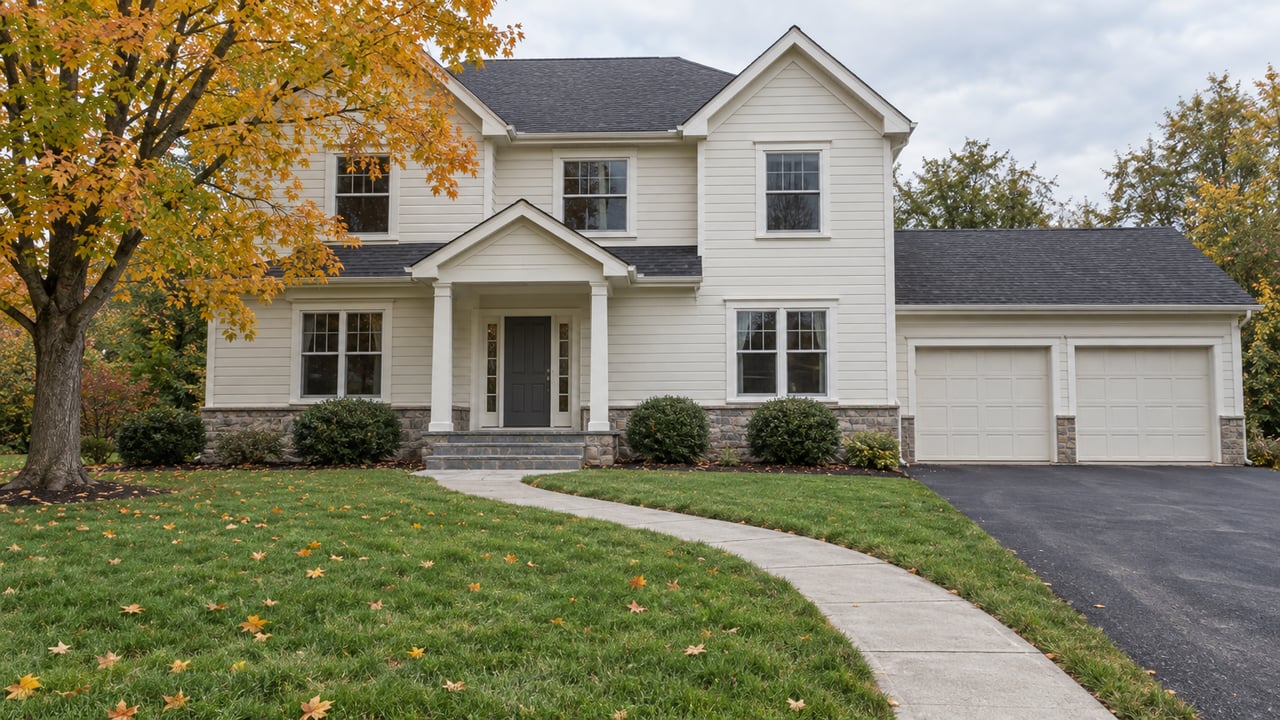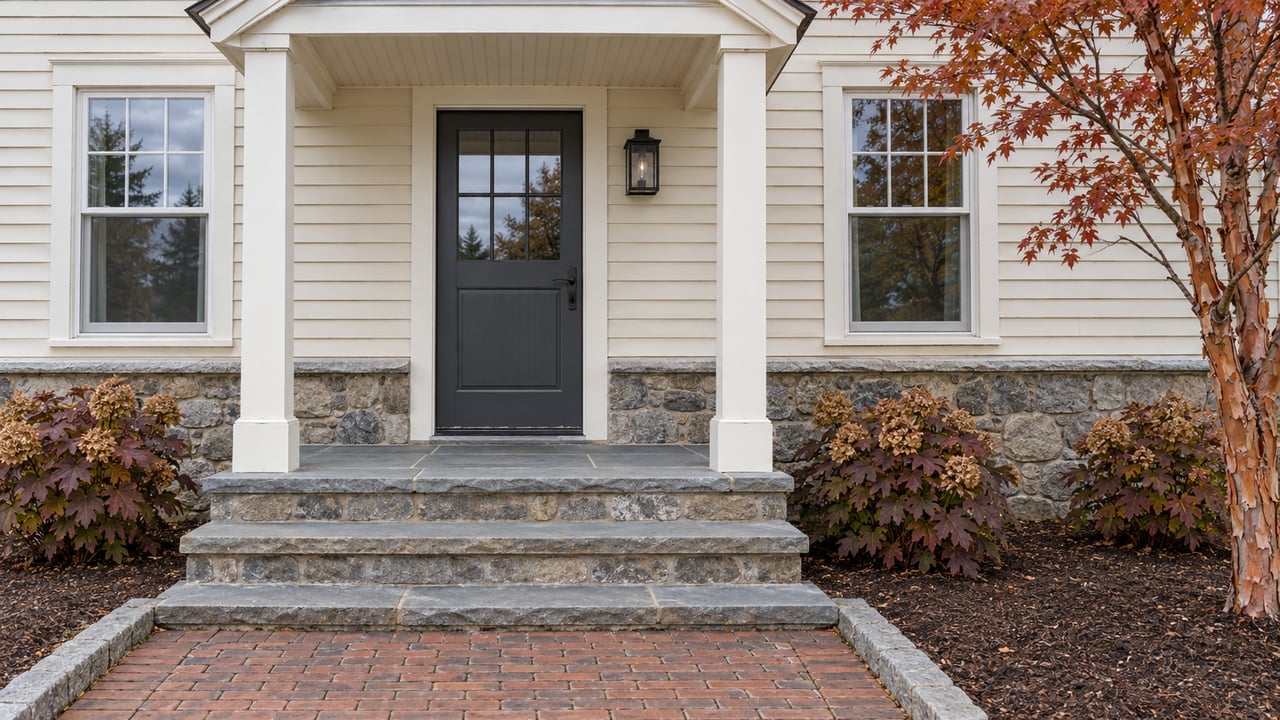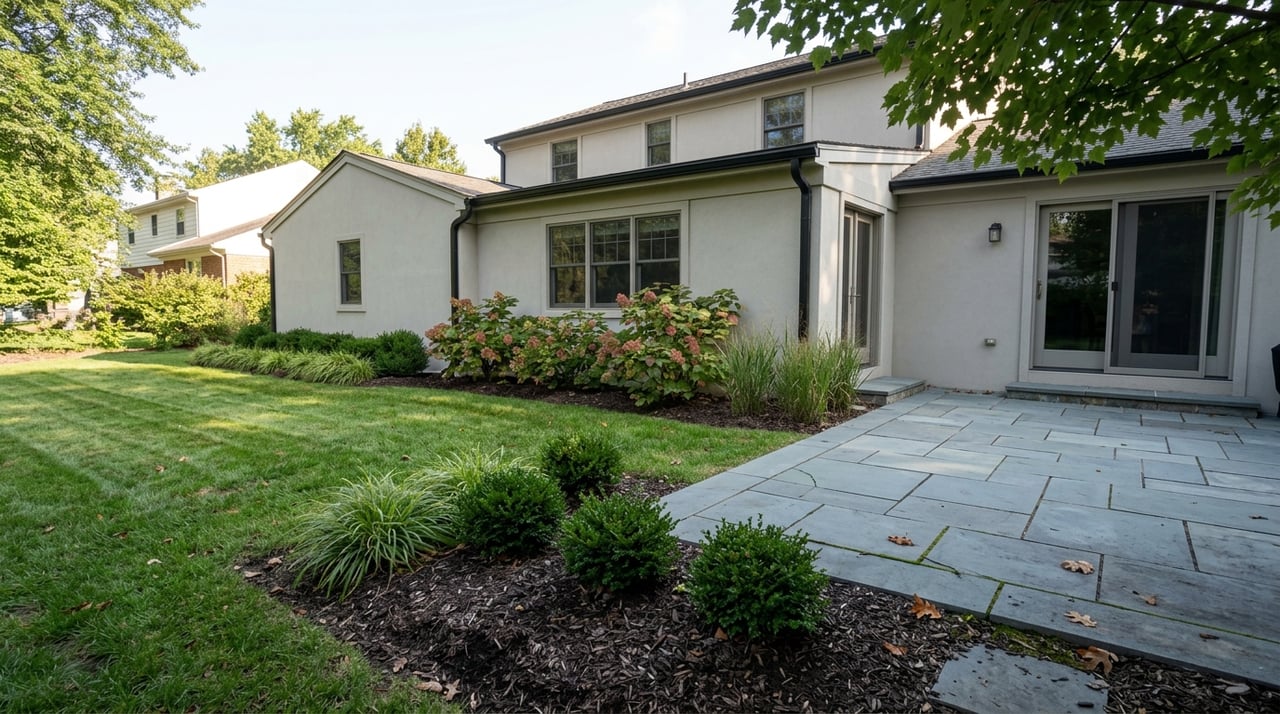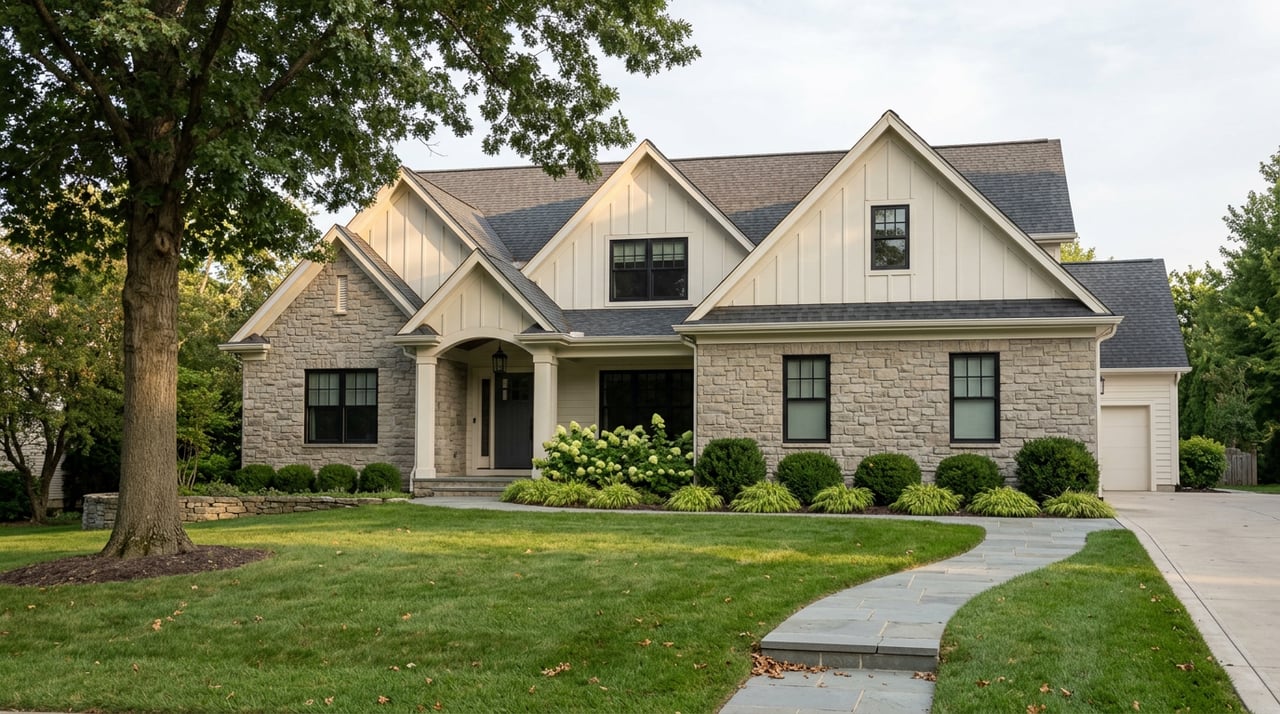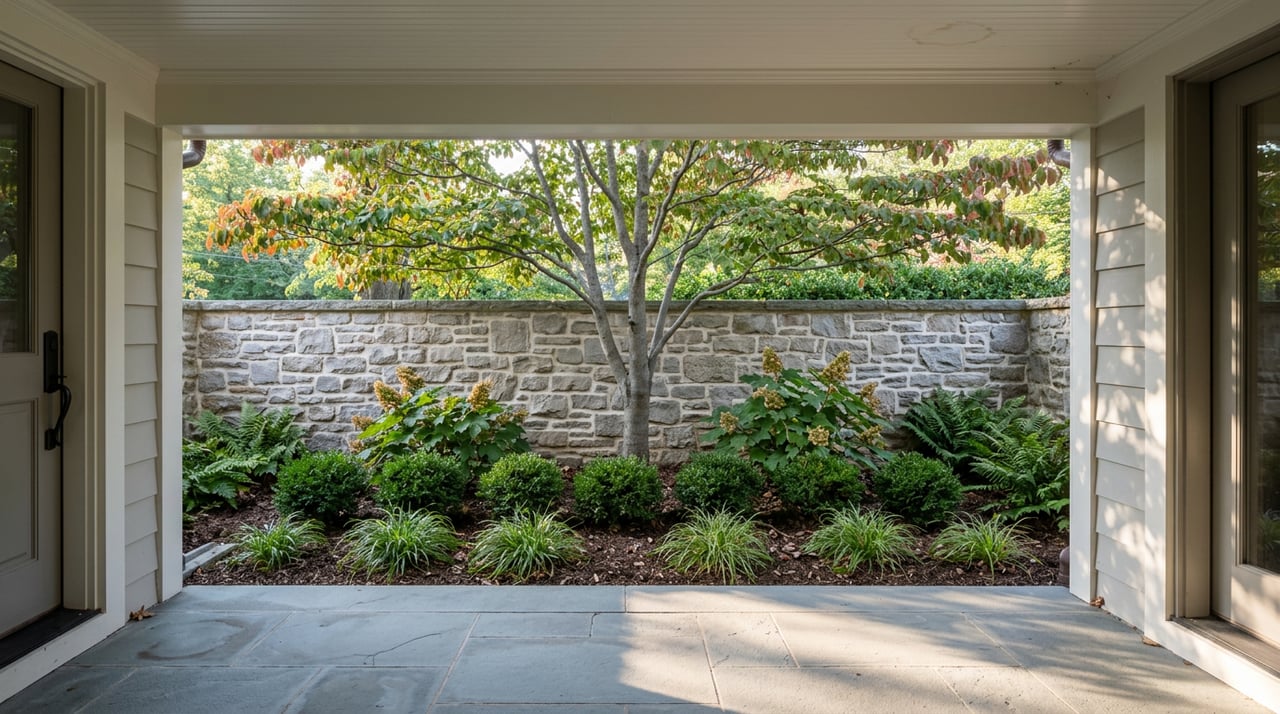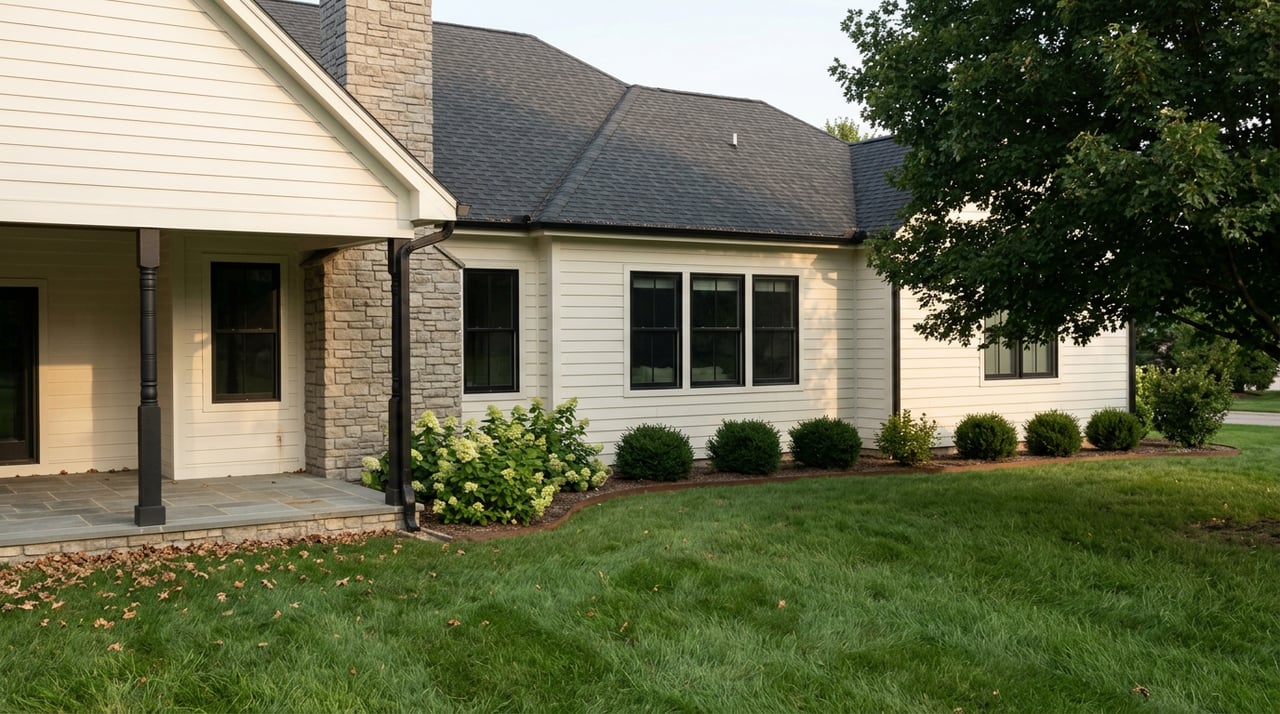
If you are selling a home with land in Chester, NJ, you are not just selling square footage. You are selling the house, the setting, the outbuildings, and the possibilities buyers see when they look at the full property. That can create real opportunity, but it also means buyers will ask more detailed questions before they commit. This guide walks you through what matters most when selling a land-heavy property in Chester, from zoning and easements to well, septic, flood, and marketing strategy. Let’s dive in.
Why land changes the sale
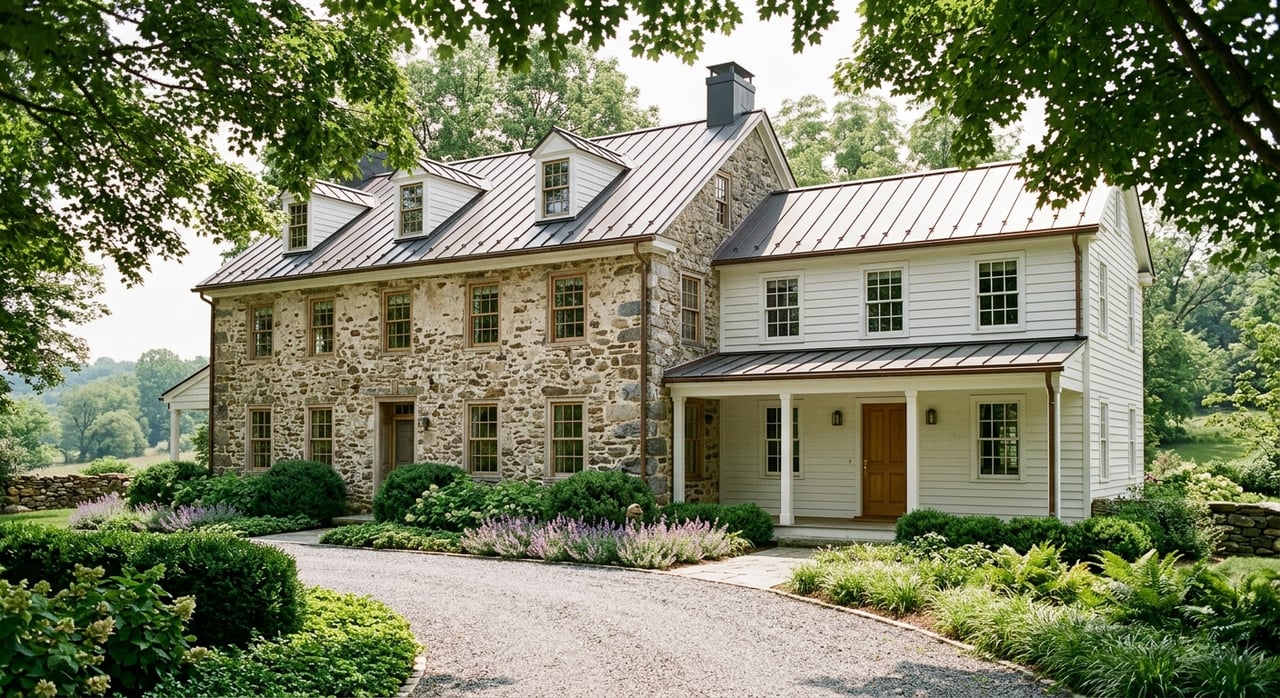
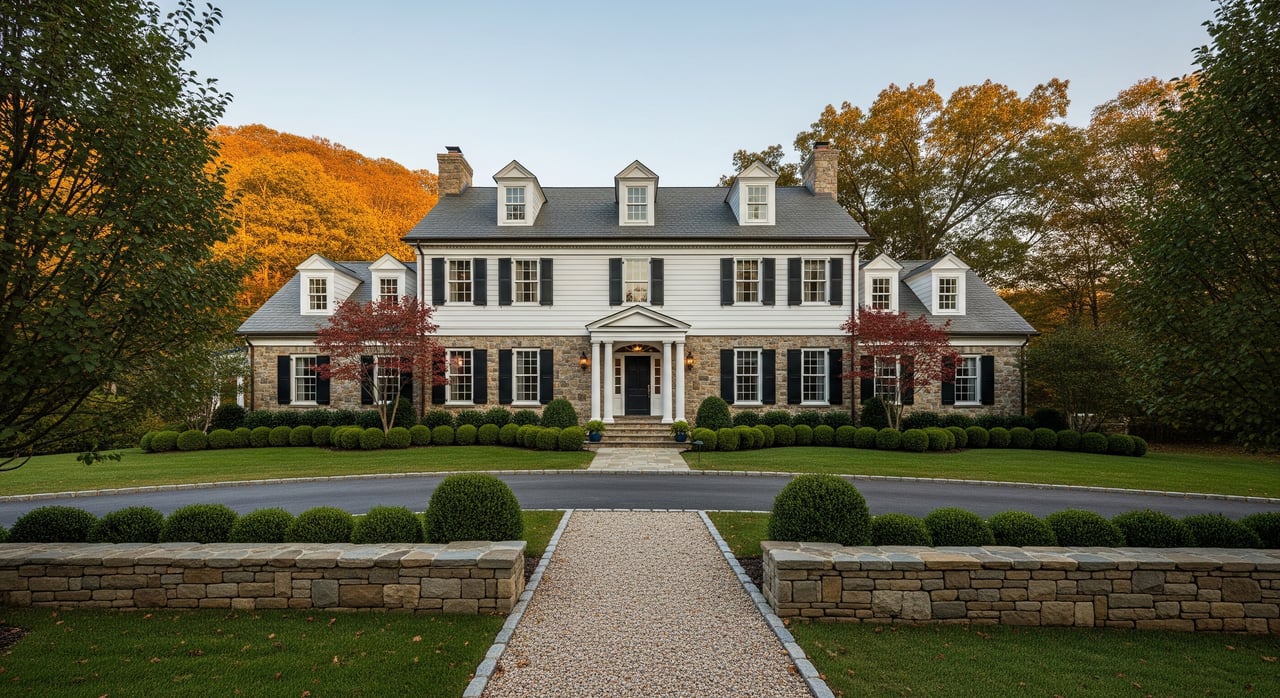
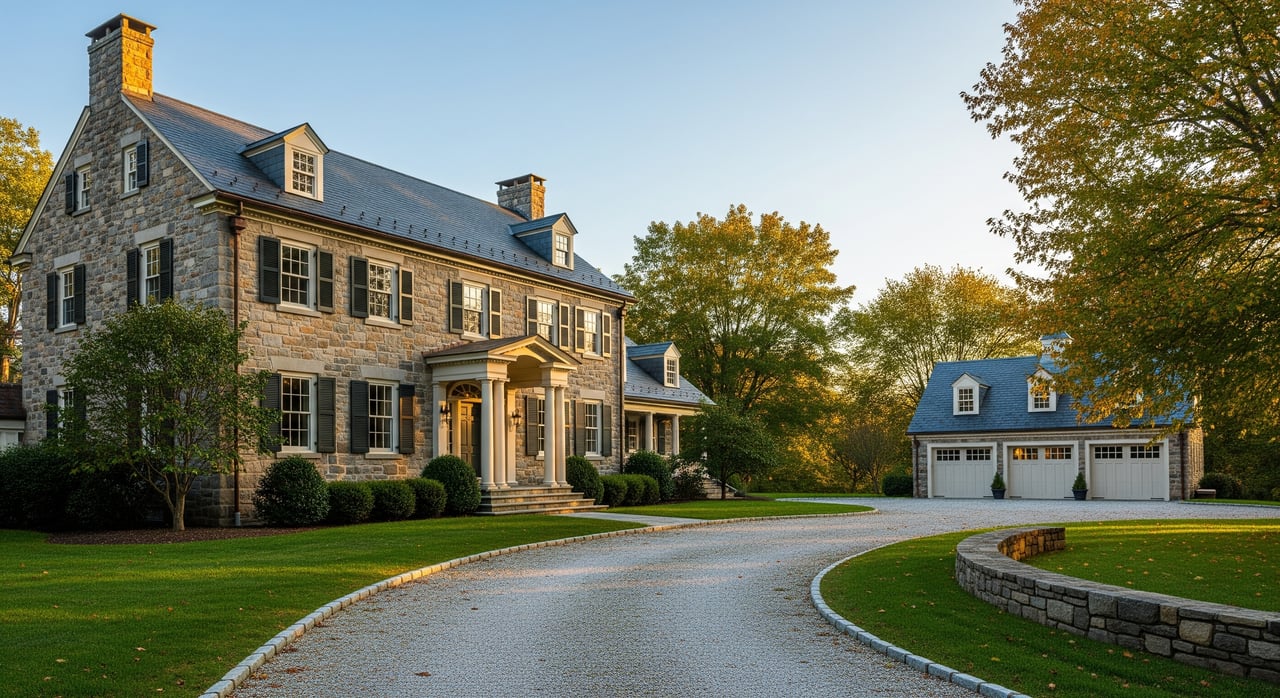
A home on acreage is usually judged as a complete package. Buyers are not only comparing kitchen finishes or bedroom count. They are also looking at fields, tree lines, driveway approach, privacy, outbuildings, and how the land may or may not be used.
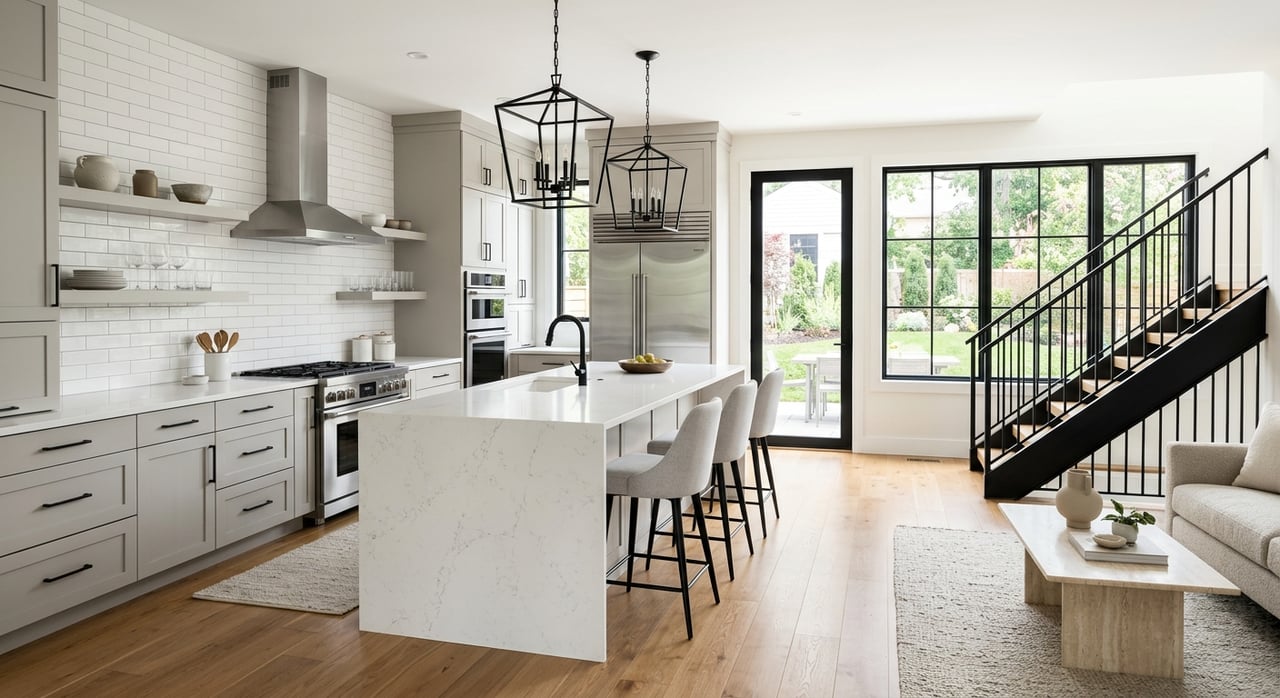
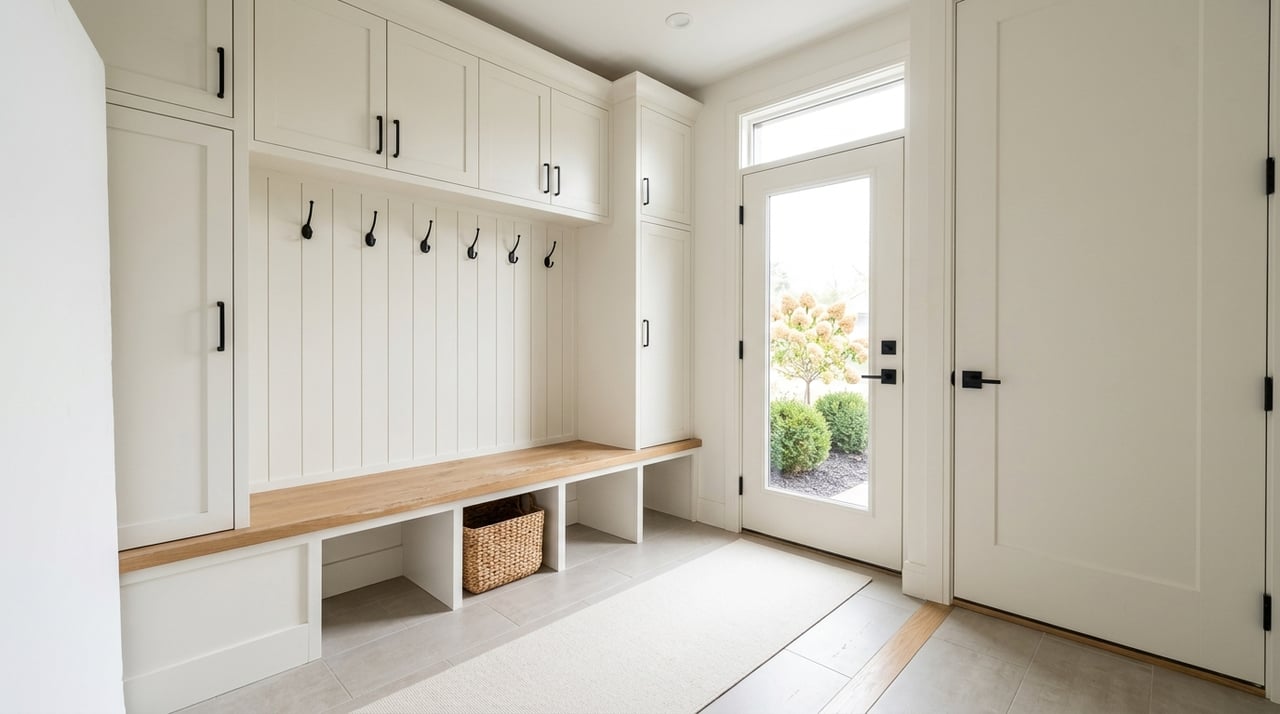
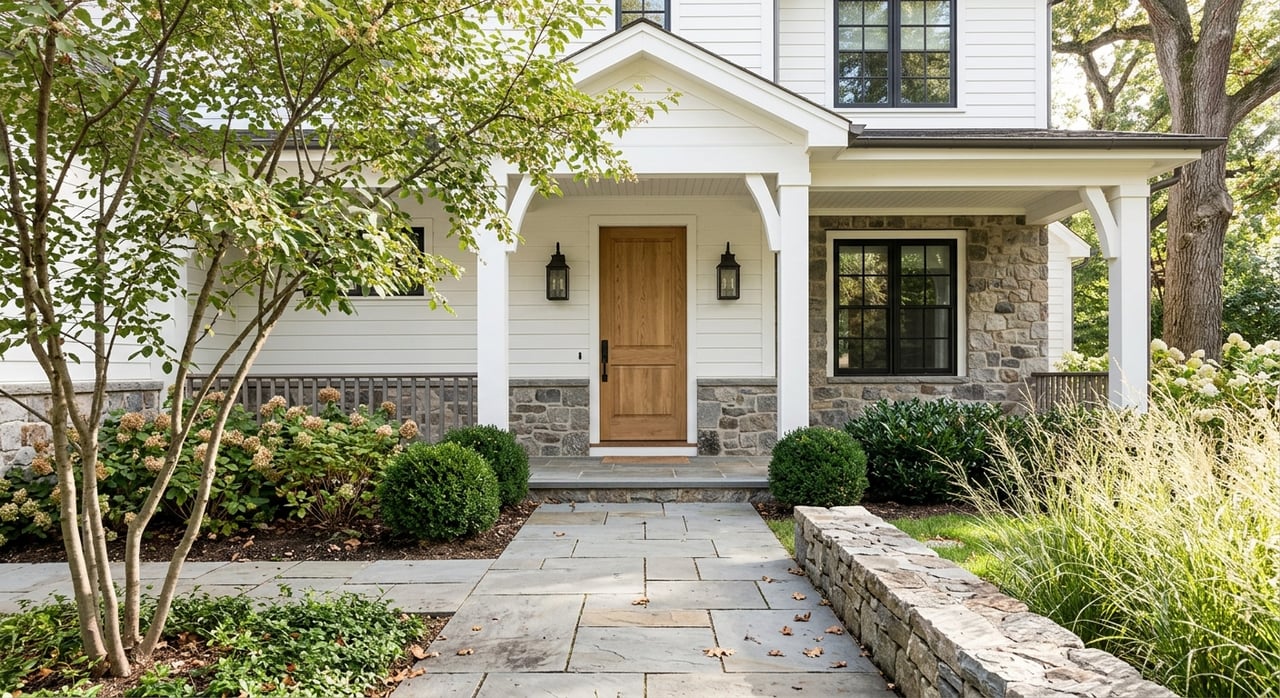
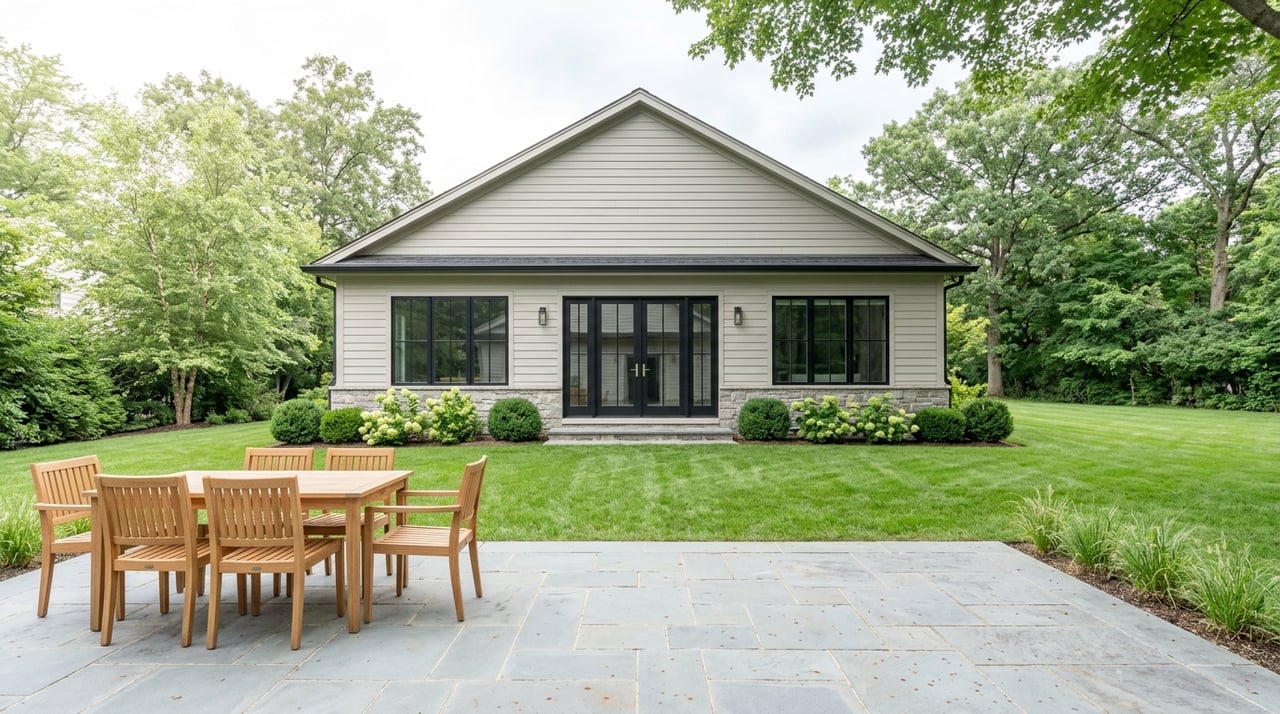
That is why presentation matters so much. In NAR's 2024 survey of internet users, photos were the most useful online feature at 66%, followed by detailed property information at 65%, floor plans at 47%, virtual tours at 33%, interactive maps at 22%, and videos at 21%.
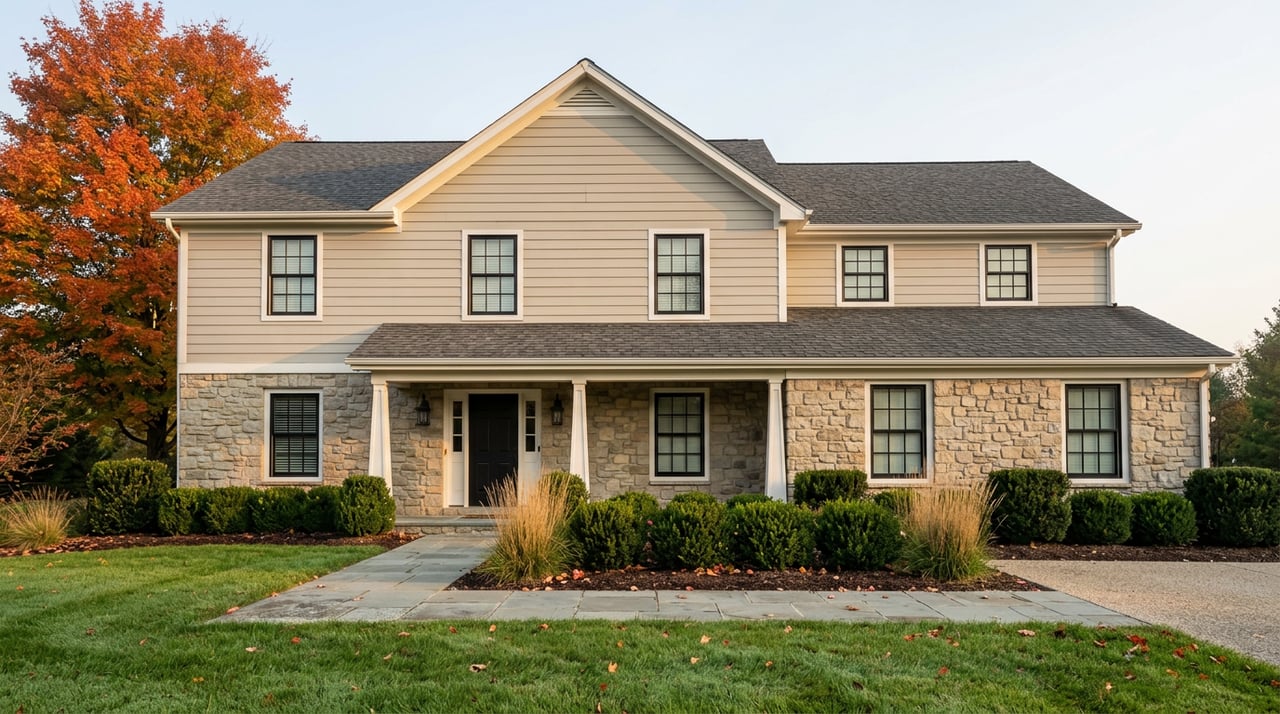
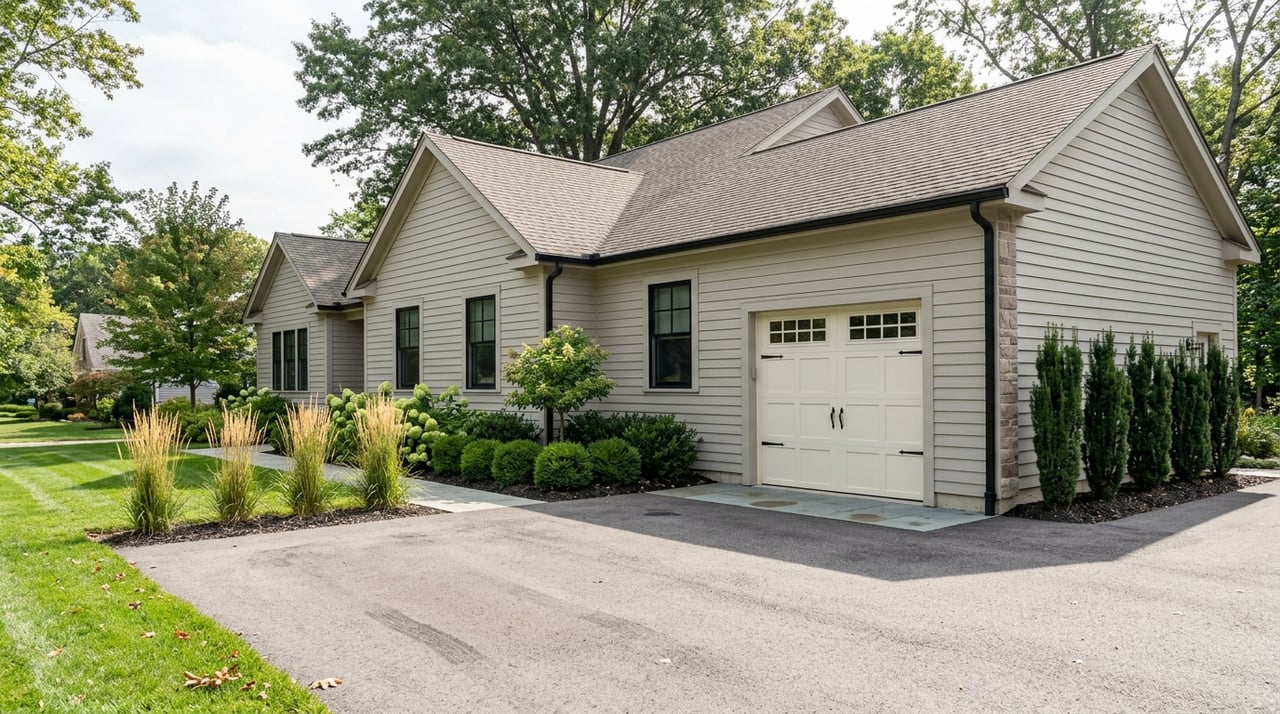
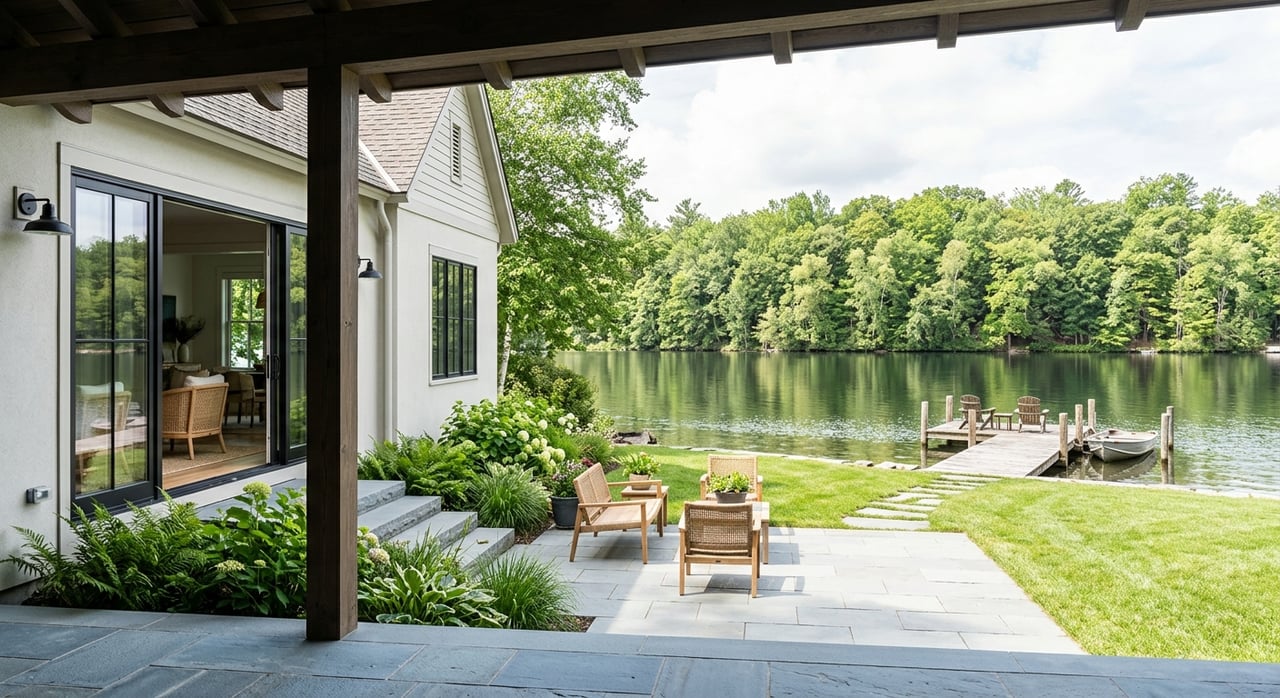
For larger parcels, strong visuals do more than make the listing look attractive. They help buyers understand the layout and scale of the property before they ever schedule a showing. Drone coverage can be especially useful because it shows the home, roof, yard, surrounding setting, and views in a way static photos often cannot.
Confirm whether you are in township or borough
One of the first steps is confirming whether your property is in Chester Township or Chester Borough. That distinction matters because land-use processes are not identical, and the two municipalities sit differently in the Highlands region.
Chester Township is split between the Highlands Preservation and Planning Areas and is fully conforming with the Highlands Regional Master Plan. Chester Borough is entirely in the Highlands Planning Area and does not require Regional Master Plan conformance.
That may sound technical, but for a seller it affects how you prepare answers for buyers. If a buyer asks about future improvements, land use, or past approvals, local jurisdiction matters.
Review zoning before you list
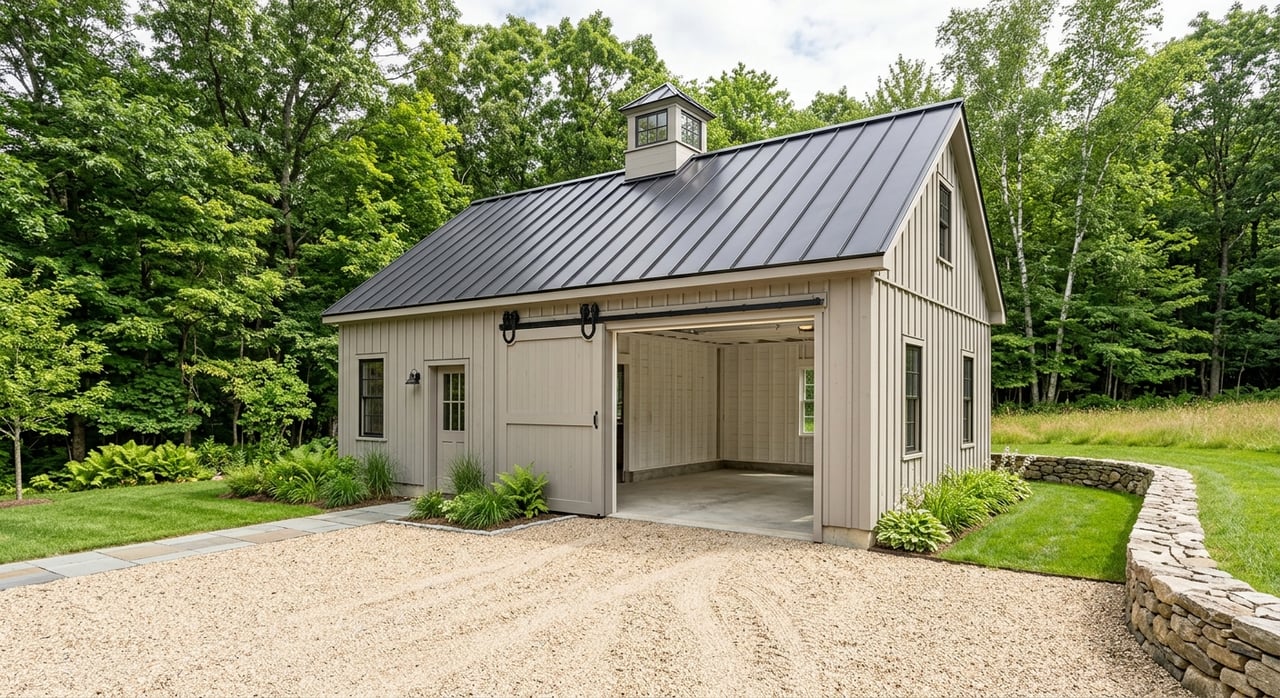
If your property includes barns, sheds, paddocks, fenced areas, or other outdoor improvements, zoning review should happen early. Buyers often assume that if a structure exists, it is automatically permitted and fully compliant. That is not always the case.
In Chester Township, new construction and alterations first require zoning review. The township says a zoning permit application and site plan are required, and bona fide agricultural operations use an Ag-Exempt Zoning Application and site plan.
In Chester Borough, the zoning application must include a correctly scaled property survey showing setbacks, height, and dimensions. The borough lists sheds, fences, decks, pools, patios, basements, and signs as examples of items that can require zoning permits, and it states that shed permits are required regardless of size.
Why permitted use matters
Chester Township zoning is district-specific. A 2023 ordinance excerpt shows separate Agricultural District rules, including lot-size and setback standards, and it lists uses such as home-based businesses and supporting agribusinesses.
That means you should verify what uses are actually allowed on your parcel before advertising them. If you describe the property as ideal for horses, farming, a farm stand, or business use, you should be prepared to support that description with the applicable local rules.
Questions to answer before going live
Before your home hits the market, it helps to gather clear answers to a few common buyer questions:
- Are all outbuildings legal and permitted?
- Does the current survey show each structure?
- What land uses are allowed under the current zoning?
- Are there setbacks or district rules that affect future plans?
- Is any agricultural use exempt, approved, or restricted?
Check easements and preservation restrictions
Some Chester properties with land are subject to restrictions that affect how the property can be used in the future. These are especially important if the parcel is preserved farmland or subject to a conservation or development easement.
In New Jersey, preserved farms remain privately owned but are permanently protected for agricultural use. Morris County also notes that a sale of development easements places a permanent deed restriction on the land.
For sellers, this does not mean the property is less marketable. It does mean you should explain the restriction clearly and accurately. Buyers need to understand what they are purchasing, especially if they are drawn to the land for a specific purpose.
Prepare for flood and land-resource questions
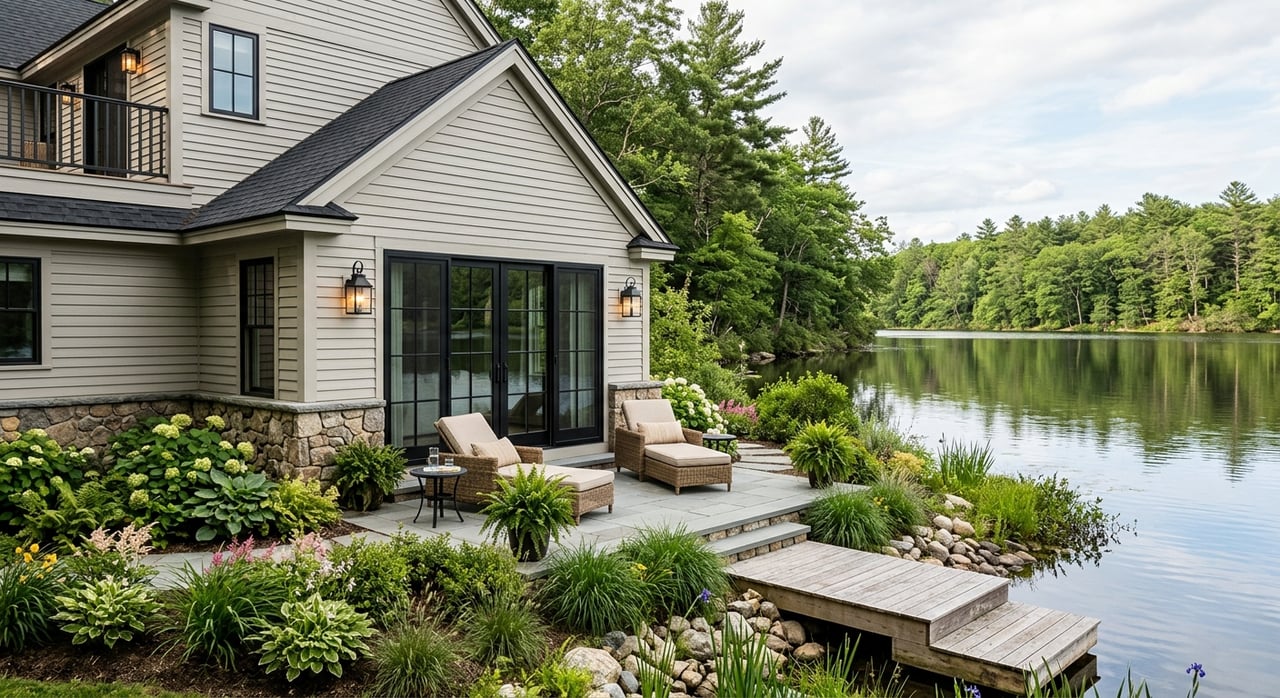
Land-heavy properties often raise more site-related questions than a typical neighborhood lot. A buyer may want to know whether any part of the property is in a flood hazard area, contains wetlands, or includes other regulated features.
New Jersey's flood disclosure law requires every seller of real property, beginning March 20, 2024, to disclose specific flood risk information before the purchaser becomes obligated under a contract. That includes whether the property is in FEMA's Special Flood Hazard Area or Moderate Flood Hazard Area, along with any actual knowledge of flood risk.
NJDEP also says buyers and sellers should first determine whether any part of the site is regulated by Land Resource Protection rules. Wetlands, flood hazard areas, and other special areas can affect what can be built or altered on the property.
Site features that may affect a sale
Depending on the parcel, buyers may ask about:
- Wetlands
- Flood hazard areas
- Riparian zones
- Building or alteration limits
- Driveway, grading, or site-improvement constraints
Having clear documentation early can reduce uncertainty and help serious buyers move forward with more confidence.
Well and septic items to organize early
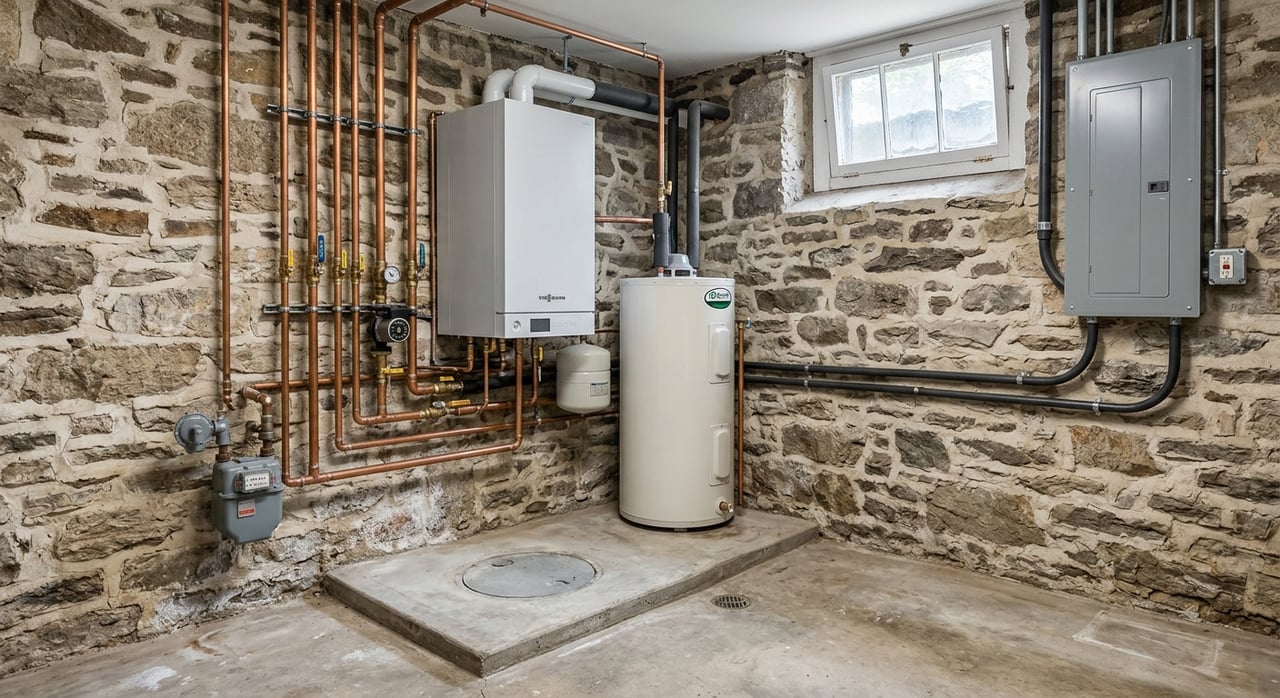
Private well and septic systems are common diligence items on rural and semi-rural properties. If your Chester property has either one, it is smart to prepare before you list.
If the home has a potable private well, the Private Well Testing Act requires untreated groundwater testing during a sale. The law allows for testing of up to 43 parameters, and both buyer and seller must review the results before title closes. The cost is negotiated between the parties.
Septic matters are also important. NJDEP says local health departments issue permits for the location, design, construction, installation, alteration, repair, and operation of septic systems that discharge less than 2,000 gallons per day.
Helpful records to gather
Try to collect these items before listing if they apply to your property:
- Private well test records
- Septic permits and repair records
- Survey or site map
- Zoning approvals for outbuildings
- Any easement or preservation documents
- Flood-related disclosures or prior reports
When buyers can review this information early, the transaction often feels more straightforward.
Understand farmland assessment questions
If the land is actively farmed, buyers may ask whether the property receives farmland assessment. In New Jersey, the Farmland Assessment Act can affect tax treatment, but eligibility depends on farmland productivity and minimum gross-sales thresholds.
The state also notes that smaller farm management units require a narrative and sketch. For sellers, the key is to avoid broad assumptions and be ready with accurate records if the property has this classification.
This is another reason careful pre-listing preparation matters. Tax treatment tied to land use can influence buyer expectations and due diligence.
Market the home and the land together
A strong marketing plan for a Chester property with land should help buyers understand both the home and the site. That usually means going beyond standard listing photos.
NAR's marketing guidance says homes can be marketed through staging, professional photography, social media, signage, open houses, and competitive pricing, and that MLS distribution usually gives the broadest exposure to prospective buyers. For acreage listings, the most effective presentation often combines interior and exterior photos, drone images, a survey or site map, and clear notes on permitted use, easements, and utility status.
Staging still matters
Some sellers assume staging matters less when the land is the main attraction. In reality, buyers still need to picture daily life inside the home.
NAR says staging makes it easier for buyers to visualize the property as their future home, and its 2025 report found that 83% of buyers' agents said staging helped buyers picture the property that way. More than a quarter of professionals also said staged homes generated 1% to 10% more in offered value.
Prepare for photos and showings
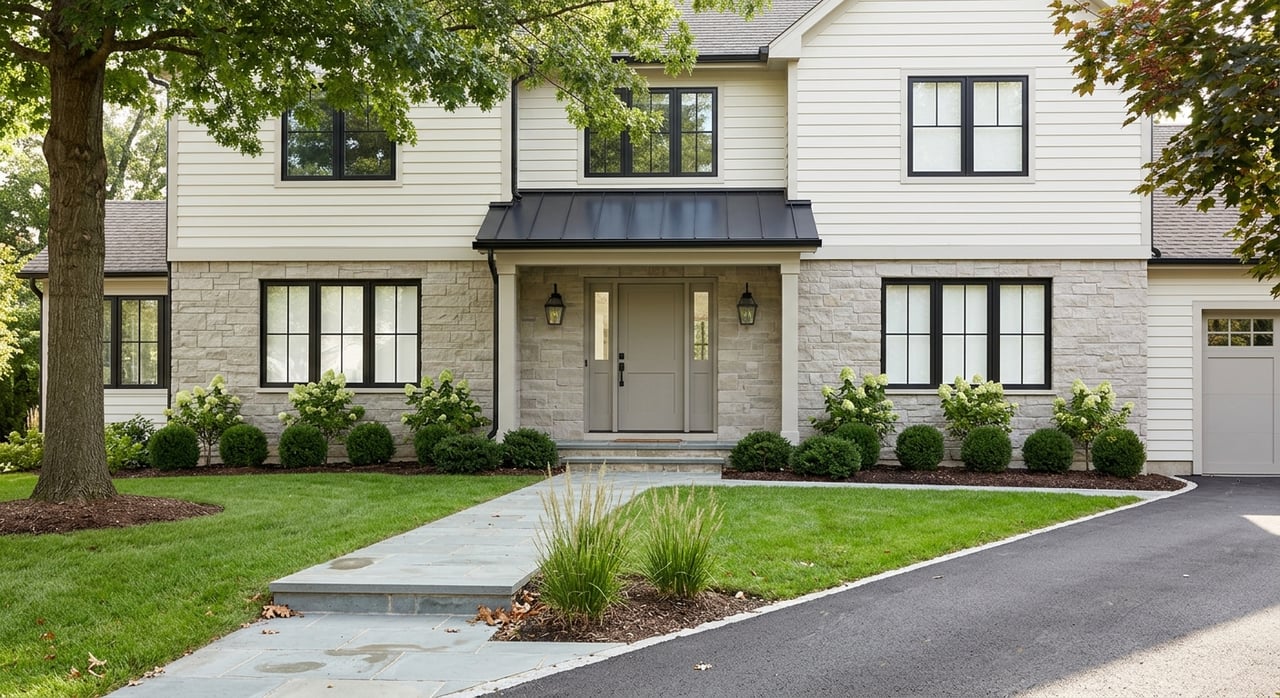
Before photography and showings, visual consistency matters. NAR recommends cleaning, decluttering, and improving curb appeal, and it notes that buyers who like what they see online expect the in-person property to match.
For a home with land, that preparation should extend beyond the front door. Fields should look maintained, access paths should be clear, outbuildings should be organized, and the overall layout should feel easy to understand.
What a smoother Chester sale looks like
The best outcomes usually come from doing the hard work before the listing goes live. That means confirming whether the property is in Chester Township or Chester Borough, reviewing zoning and surveys, organizing well and septic records, checking for easements or preservation restrictions, and preparing complete flood disclosures.
It also means presenting the property in a way that matches how buyers actually shop. Since buyers place high value on photos and detailed property information, the listing should make the land as easy to understand as the home itself.
When your strategy is thoughtful from the start, you are in a stronger position to attract qualified buyers, reduce confusion, and keep your sale moving with fewer surprises. If you are getting ready to sell a home with land in Chester, The Tucker Team can help you prepare, position, and present your property with the local care and high-quality marketing it deserves.
FAQs
What should sellers check before listing a home with land in Chester, NJ?
- Confirm whether the property is in Chester Township or Chester Borough, review zoning and survey details, gather records for outbuildings, and organize any well, septic, easement, or flood-related documents.
What zoning issues matter when selling land in Chester?
- Buyers often want to know whether barns, sheds, paddocks, fences, or other improvements were properly permitted and what uses are allowed on the parcel under current local zoning rules.
What flood disclosures are required when selling a property in New Jersey?
- Beginning March 20, 2024, New Jersey sellers must disclose specific flood risk information before a buyer becomes obligated under contract, including whether the property is in a Special or Moderate Flood Hazard Area and any actual knowledge of flood risk.
What well testing is required when selling a Chester property?
- If the property has a potable private well, the Private Well Testing Act requires untreated groundwater testing during the sale, and both buyer and seller must review the results before closing title.
Why is marketing different for a Chester home with acreage?
- Buyers are evaluating both the house and the land, so the listing should clearly show the full property through professional photos, drone media, detailed property information, and supporting materials like surveys or site maps.