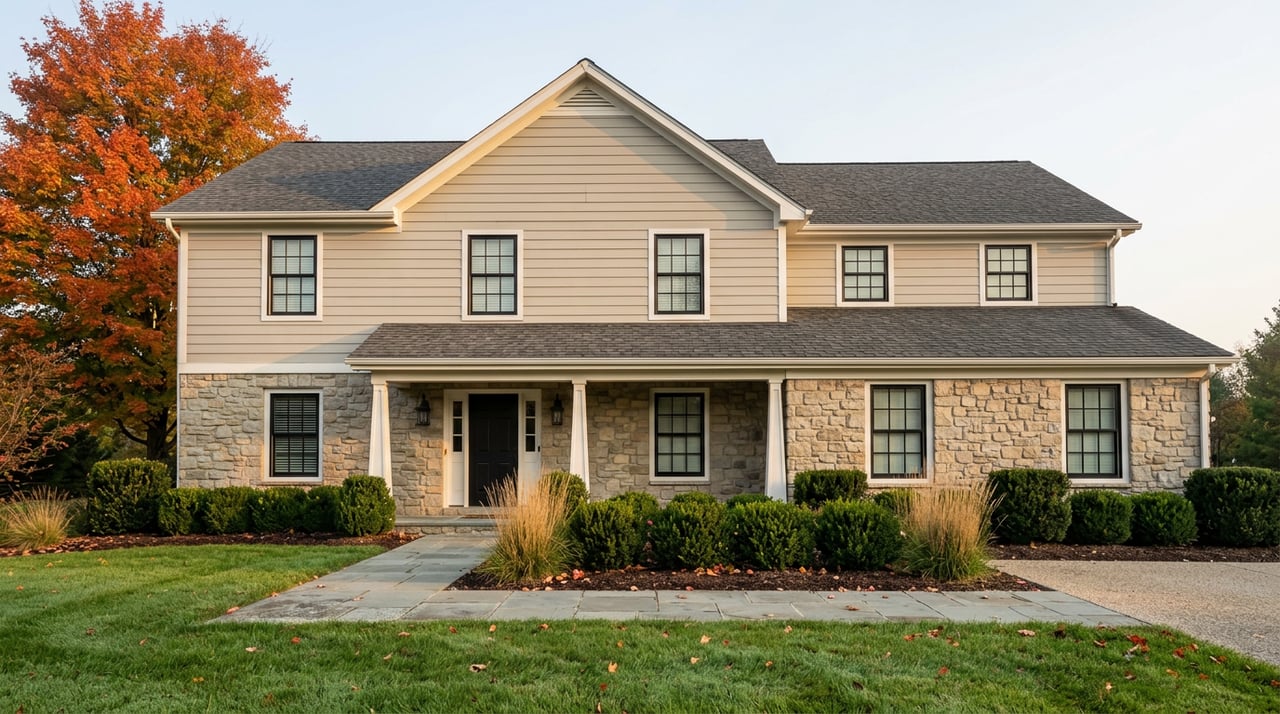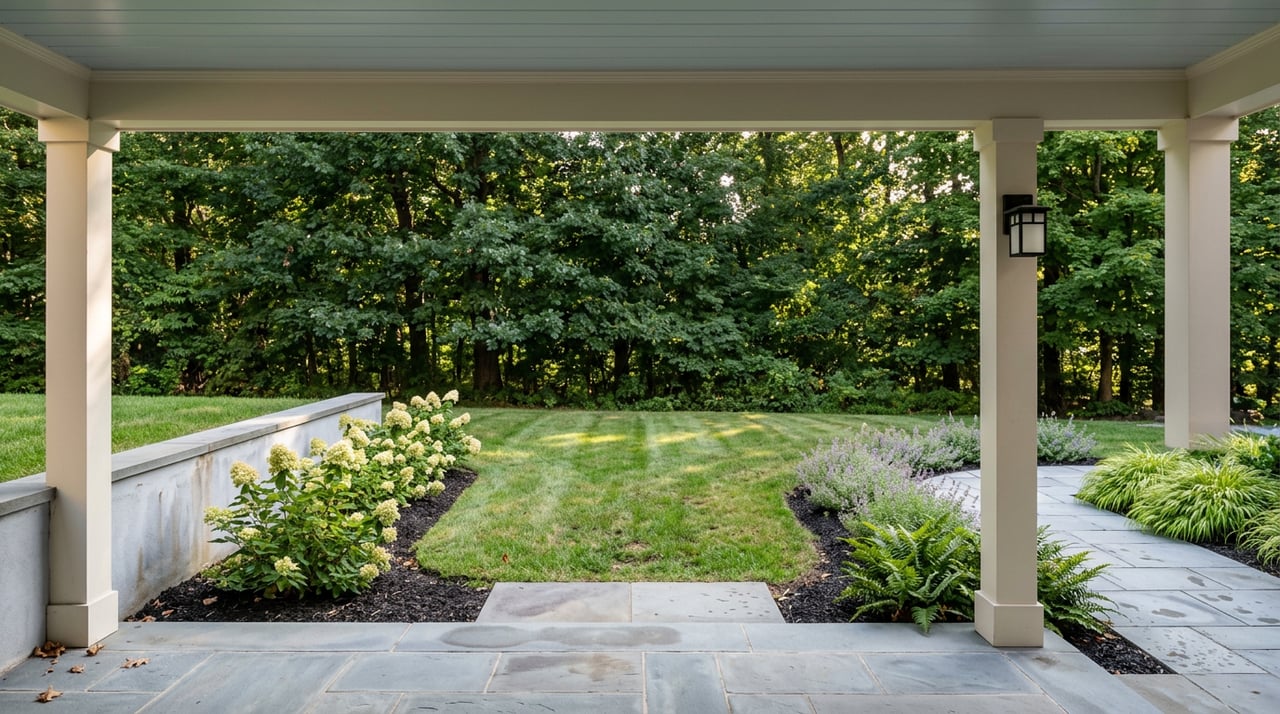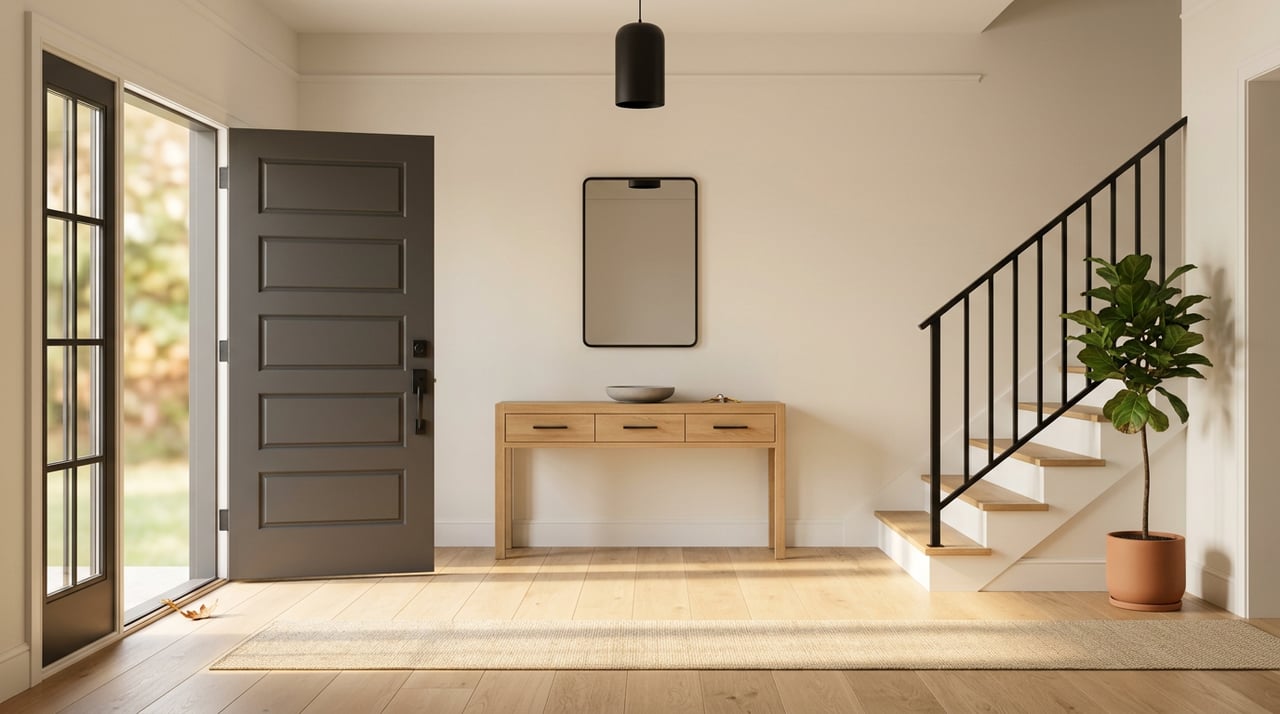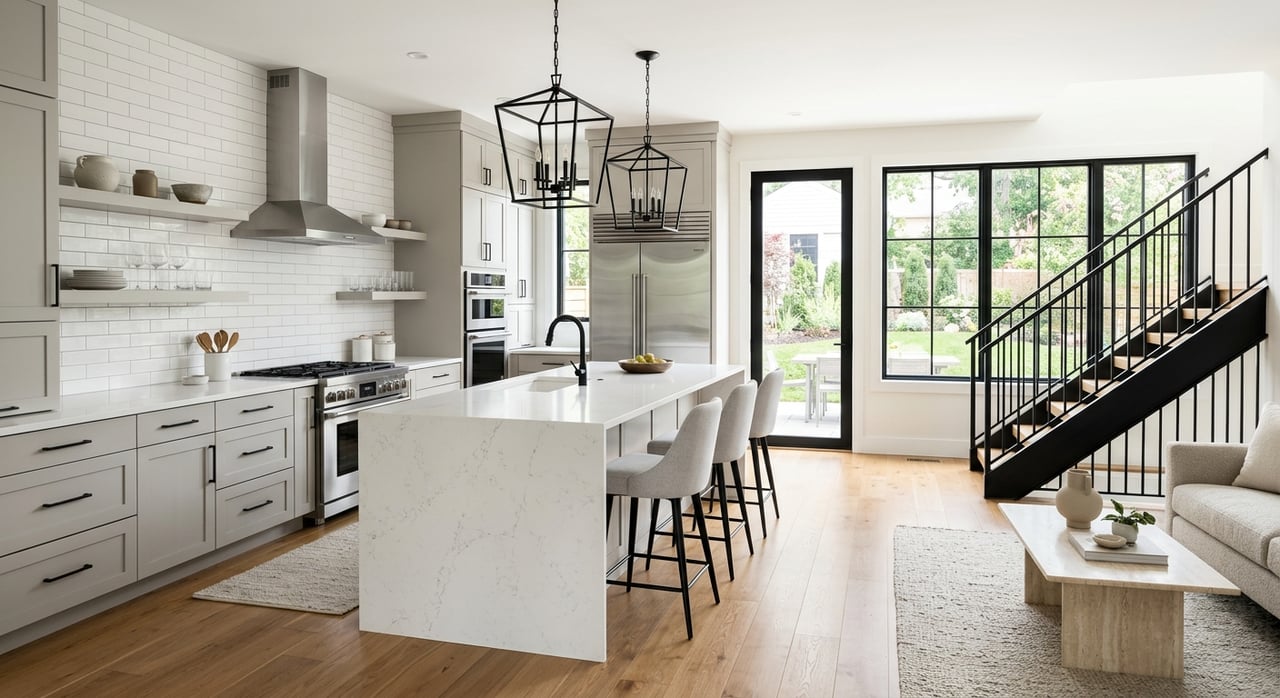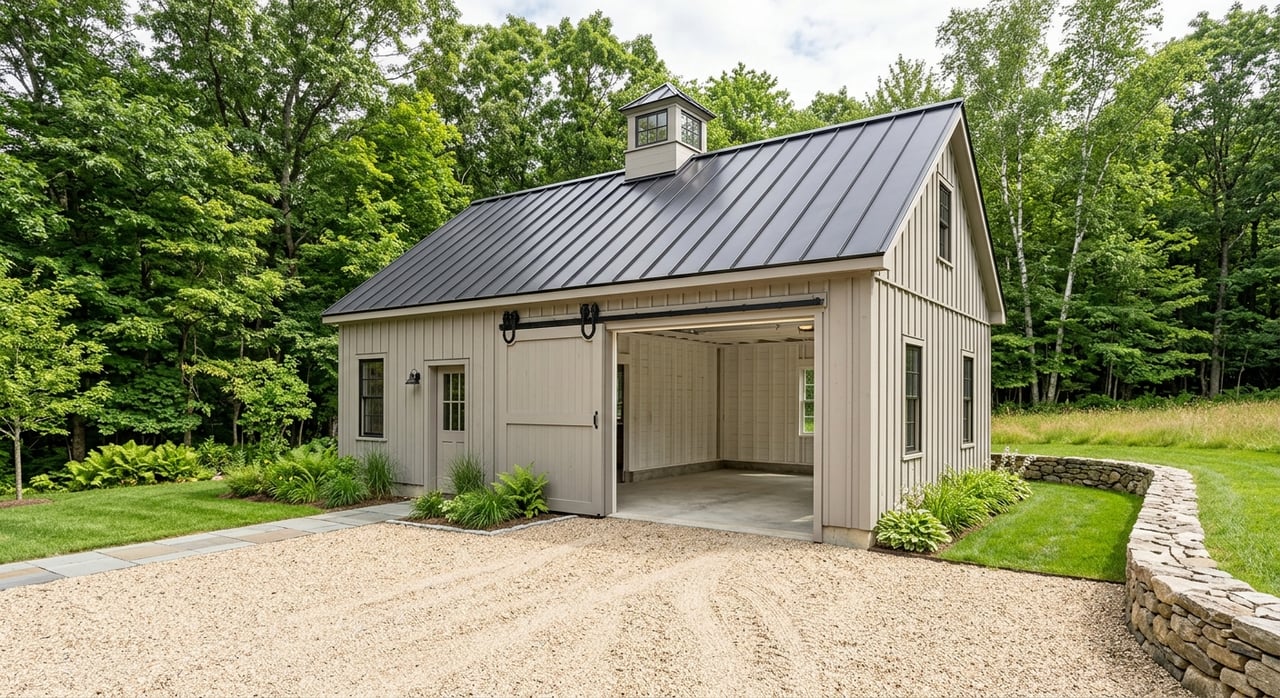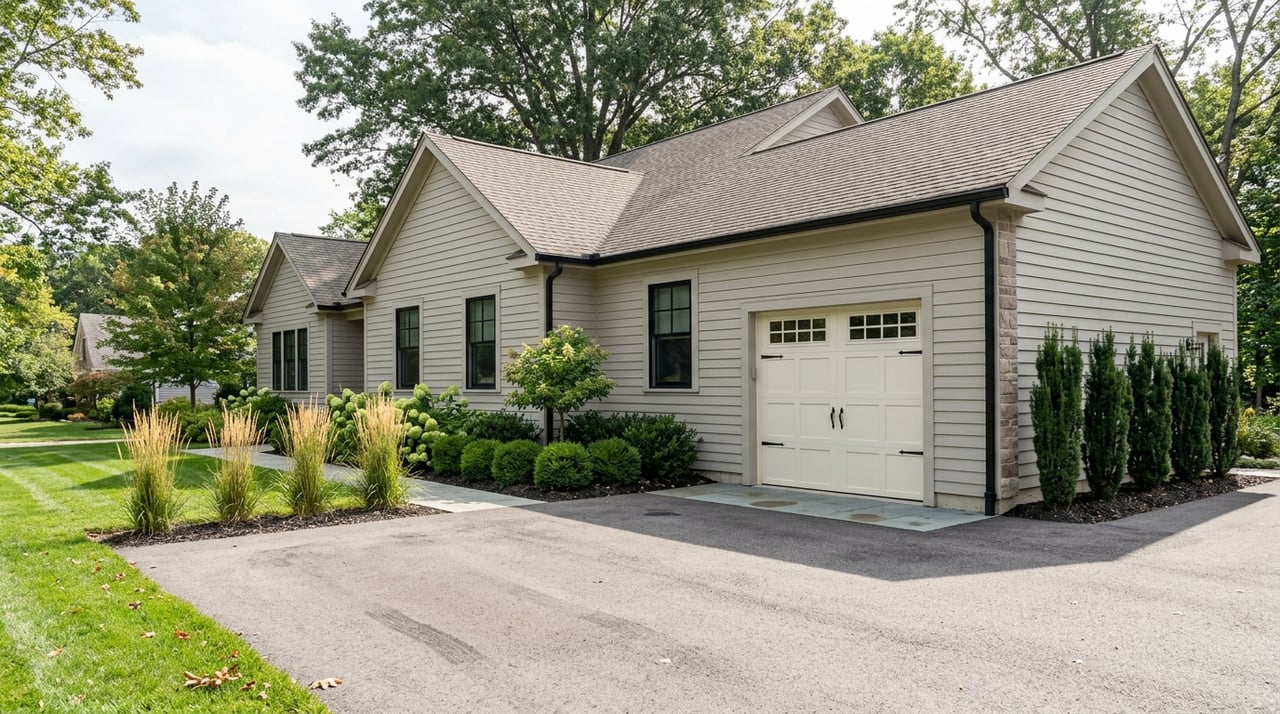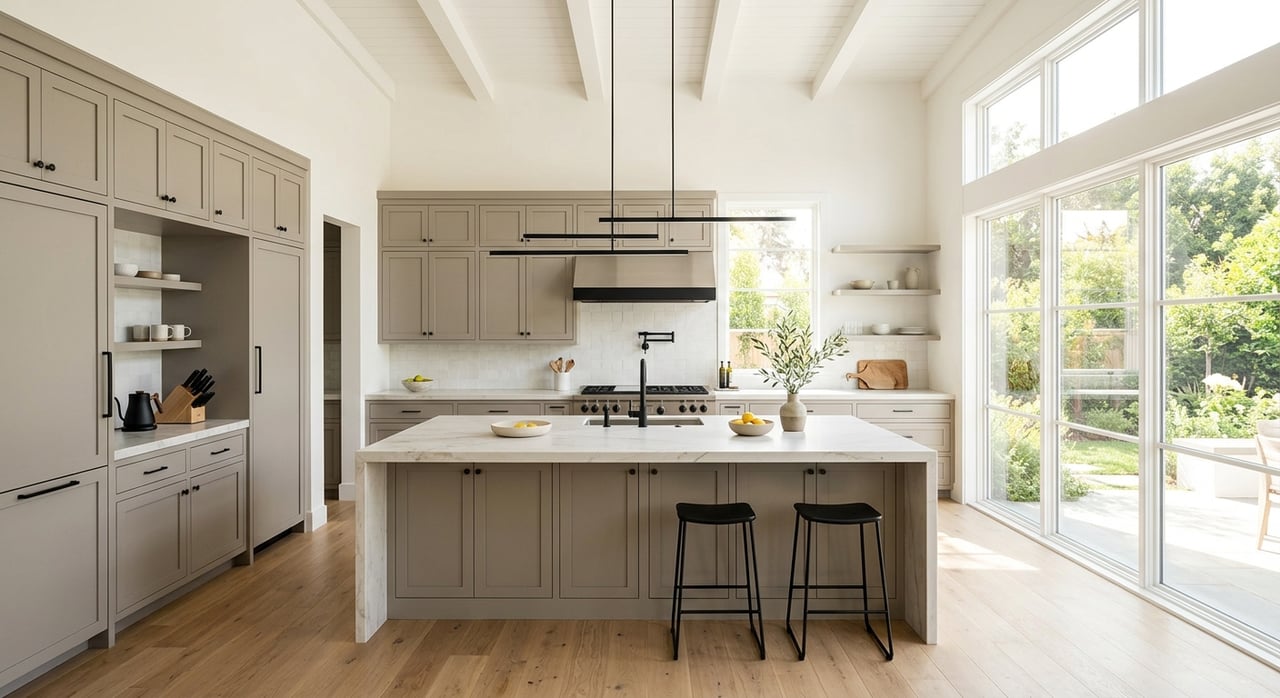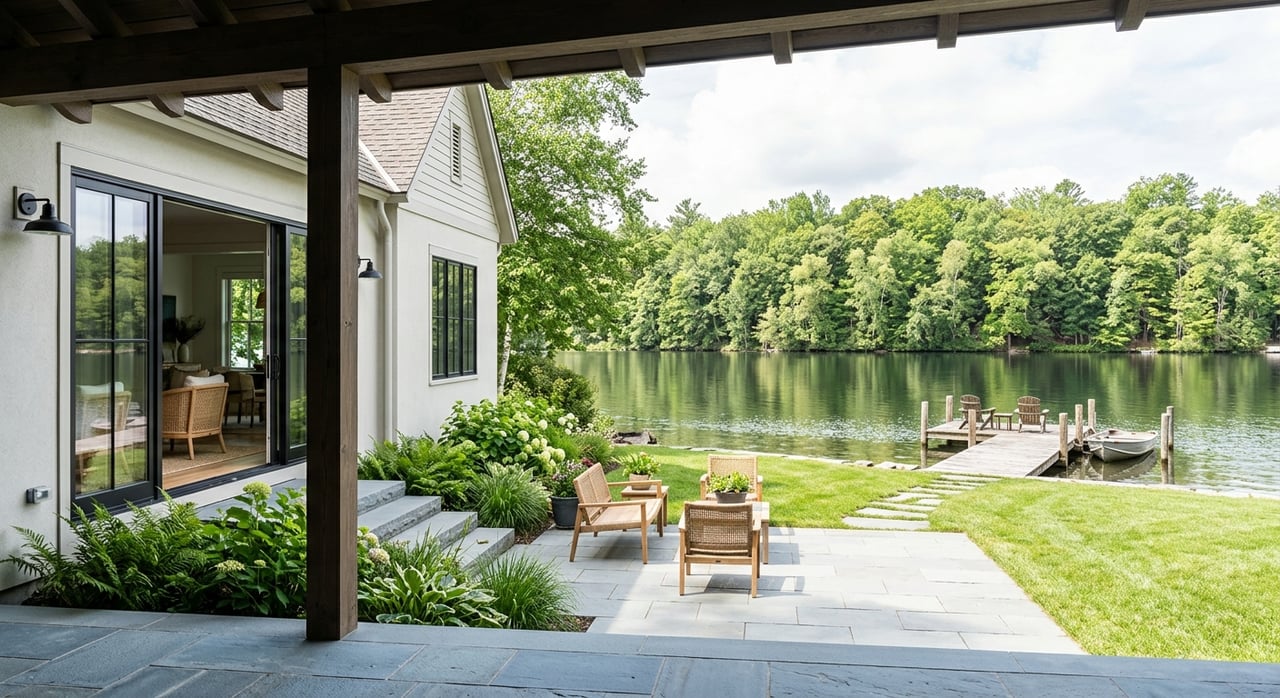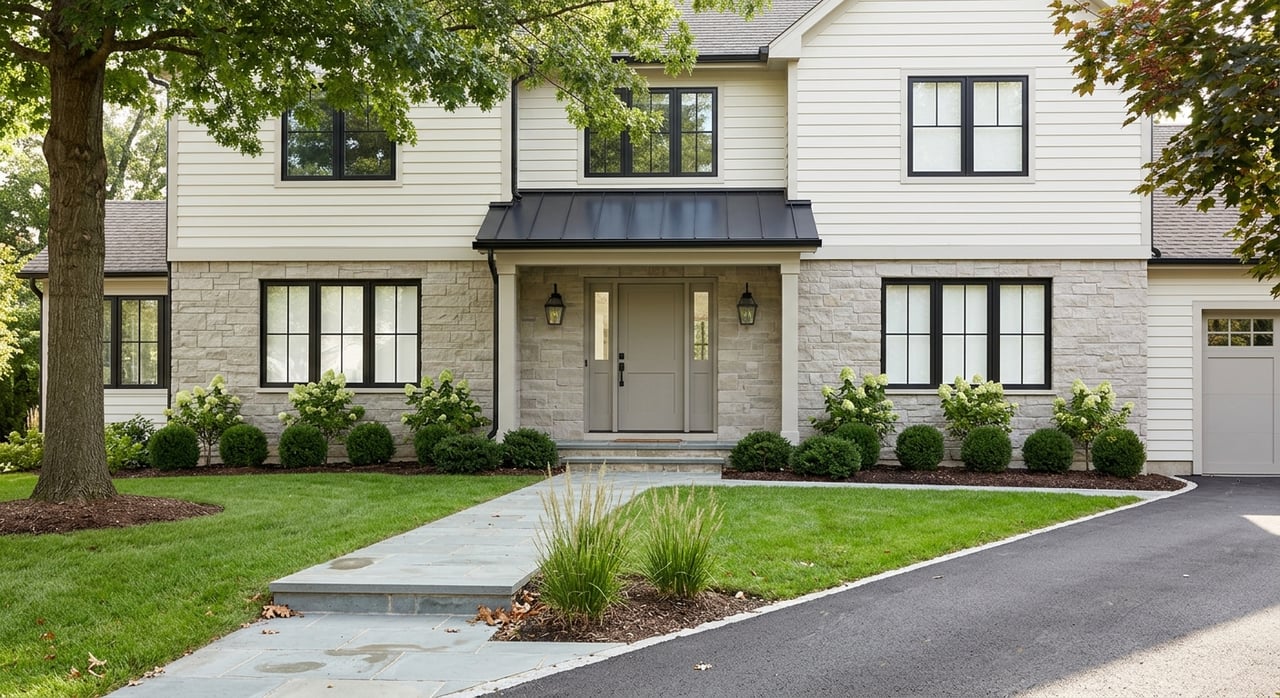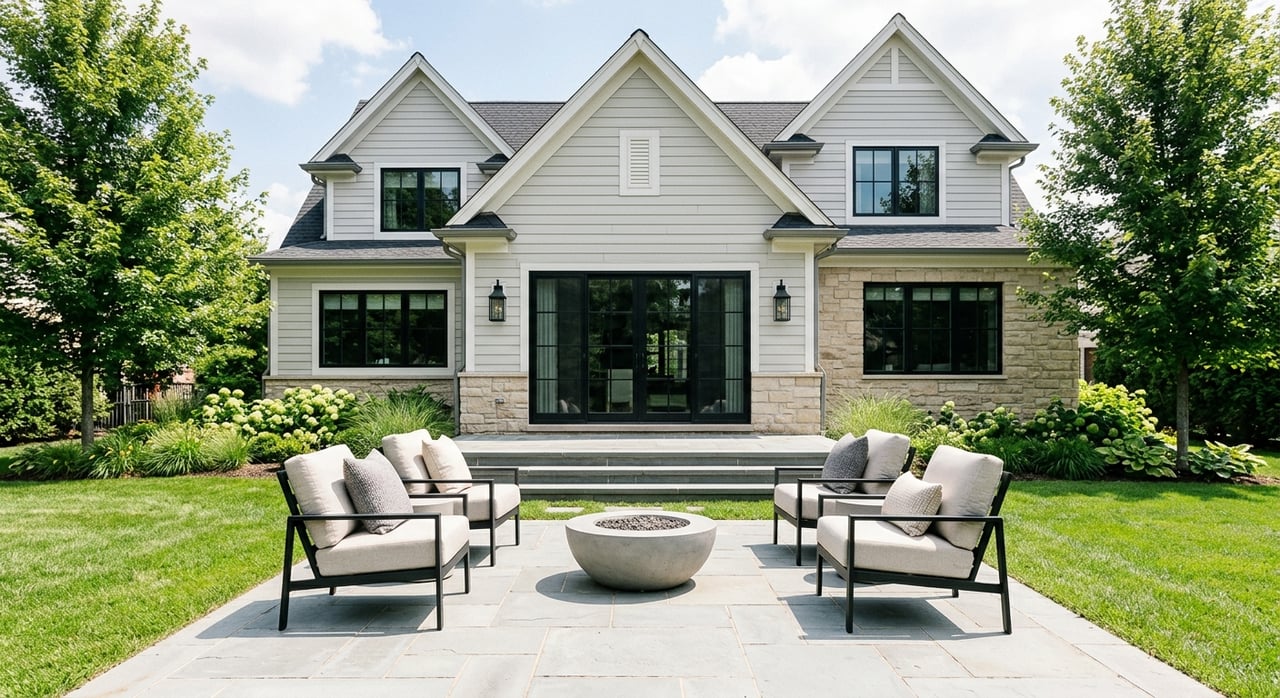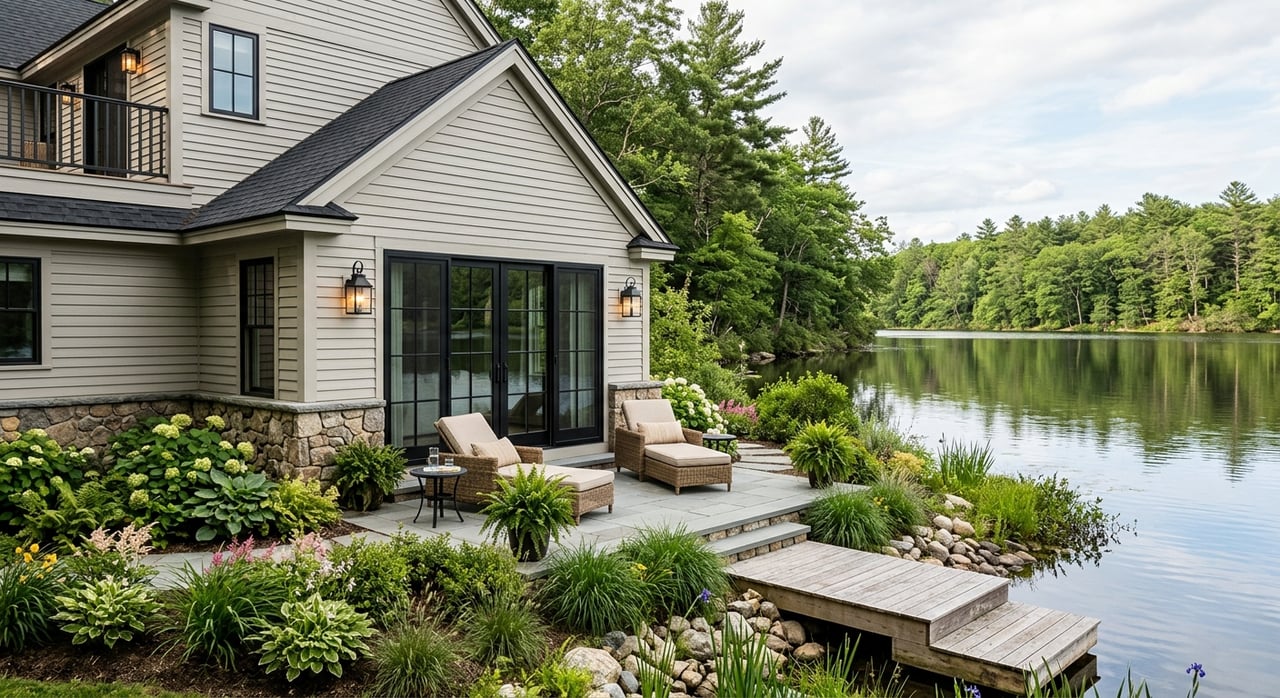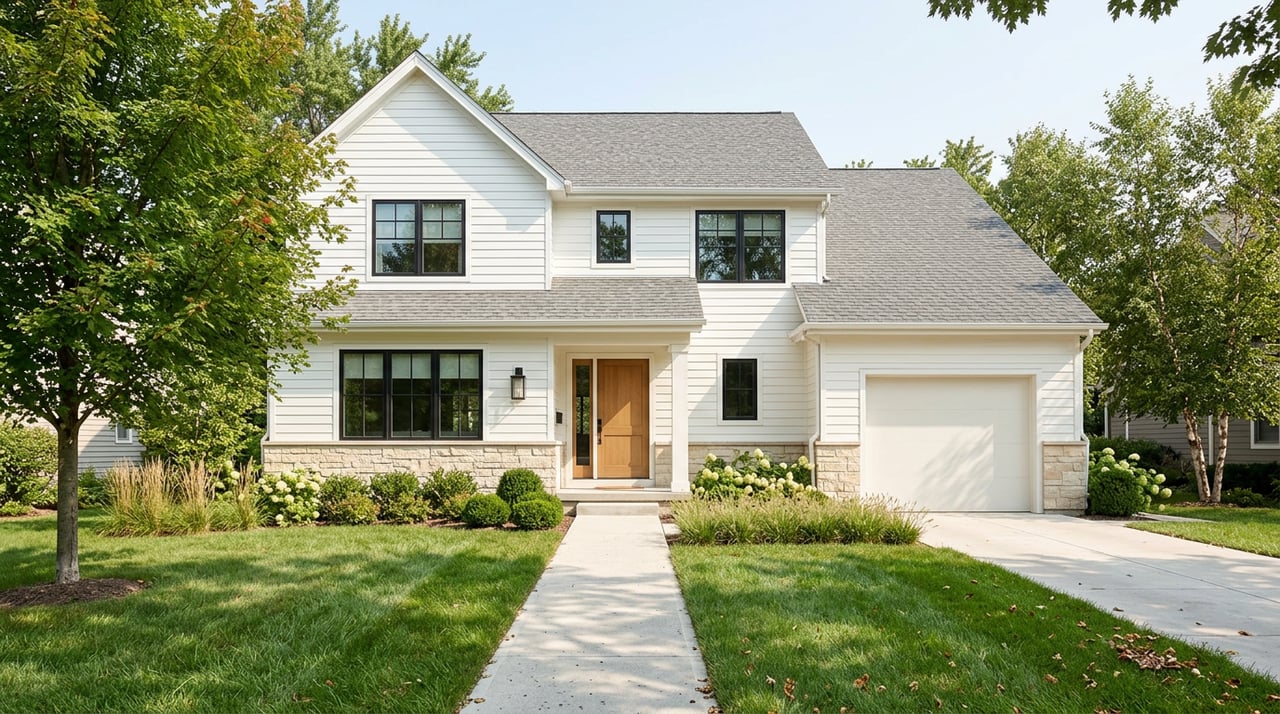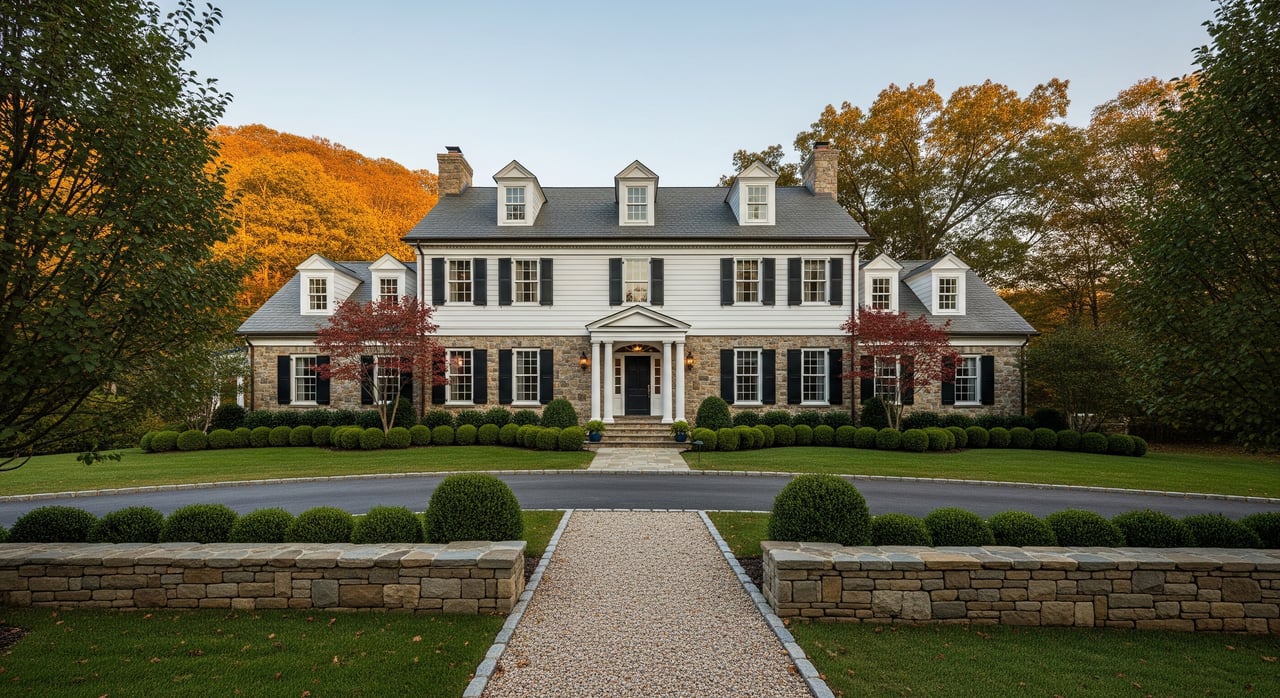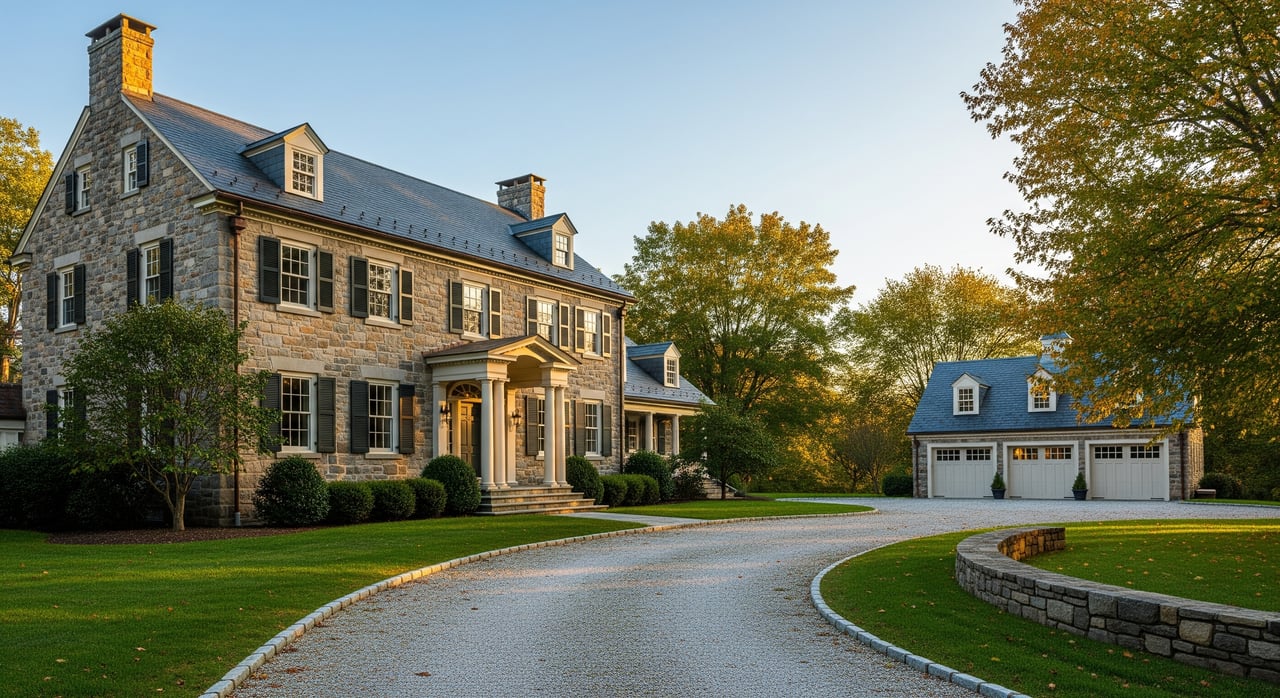
Thinking about moving up to a larger home in Denville? You are not alone. Many homeowners here have built meaningful equity, but making the jump to a bigger house still takes careful planning because monthly costs, timing, and logistics can add up fast. This guide will walk you through what to budget for, how to coordinate your sale and purchase, and which local details matter most so you can move with more confidence. Let’s dive in.
Why Denville move-ups take planning
Denville is a strong market for homeowners who want to stay local and buy more space. Census estimates for 2025 show 17,424 residents, a median household income of $160,817, and a median owner-occupied home value of $564,600. Those numbers help explain why many owners may have equity to work with when it is time to move up.
At the same time, owning a larger home in Denville comes with real carrying costs. The Census reports median monthly owner costs with a mortgage at $3,244, and that is before you factor in the costs tied to selling one home and buying another. If you are trying to gain bedrooms, yard space, or a better layout without leaving town, a clear plan matters.
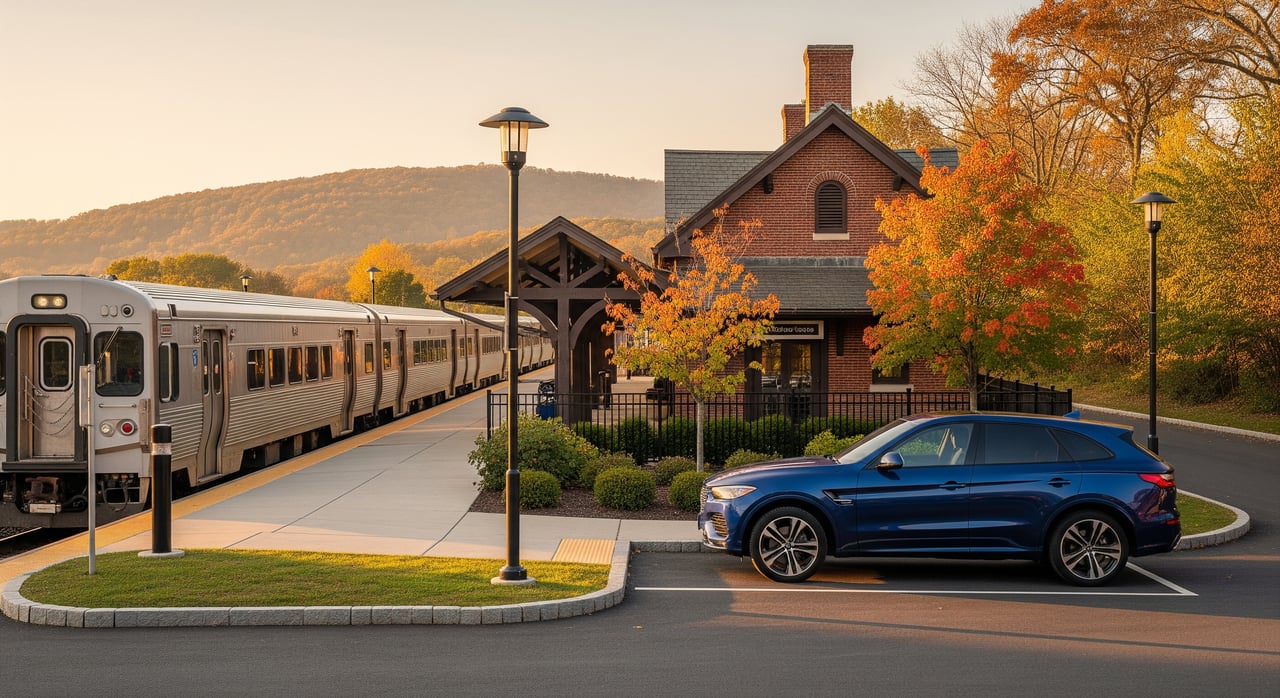
Commuting can also shape your search. Denville has a mean commute time of 29.5 minutes, and Denville Station is served by both the Morris & Essex Line and the Montclair-Boonton Line. NJ Transit also notes that the station offers parking and bike storage, which can be useful if commute access is part of your move-up decision.
Start with your real budget
The biggest mistake move-up buyers make is focusing only on the next mortgage payment. In Denville, your budget should start with what you will actually net from your current home and what your full monthly ownership costs may look like in the next one.
A realistic move-up budget should include:
- Your current mortgage payoff balance
- Prep and repair costs before listing
- Moving expenses
- Your new mortgage payment
- Property taxes on the new home
- New Jersey seller transfer fees
- Temporary overlap costs if you own two homes at once
Property taxes deserve special attention. Morris County’s municipal profile shows an average residential property tax bill in Denville of $10,851 for 2023, and the Morris County Tax Board lists Denville’s 2025 tax rate at 2.789. Your actual bill depends on the property assessment and local budgets, so it is smart to review tax history carefully before you commit to a larger purchase.
Do not overlook New Jersey seller fees
If you are selling in order to buy up, seller-side transfer costs can affect your net proceeds more than you expect. In New Jersey, the seller is responsible for the Realty Transfer Fee. The state also imposes a graduated percent fee on qualifying residential transfers over $1 million, ranging from 1% to 3.5% depending on the sale price tier.
That matters in Denville, where move-up homes can reach higher price points. If your current home may sell above $1 million, this fee can materially reduce the amount you have available for your next down payment and closing costs. Before you shop seriously, it helps to estimate your proceeds with these fees included.
Choose the right sale-and-buy strategy
Most move-up homeowners in Denville end up choosing one of three paths: sell first, buy first, or create a short overlap between the two transactions. The right choice depends on your equity, cash reserves, comfort with risk, and how quickly your current home is likely to sell.
Sell first
Selling first is often the most conservative option. You will know your exact net proceeds before buying, which can make budgeting simpler and reduce financial stress. This route can work well if you want a cleaner financial picture before taking on a larger monthly payment.
The tradeoff is timing. You may need temporary housing or storage if your next home is not ready right away. You also risk missing a home you love if the right property comes on the market before your sale is complete.
Buy first
Buying first can make sense if you have strong equity, solid reserves, and a clear need to secure the next home quickly. This approach can reduce the pressure of moving twice and may help if you want more control over your move-in timing.
The downside is temporary overlap. You may need to carry two housing payments for a period of time, along with taxes, utilities, and moving-related costs. That is why this path works best when the numbers are tested carefully in advance.
Create a controlled overlap
A controlled overlap is often the middle ground. You prepare your current home for sale, line up financing, and coordinate closing dates as closely as possible so the handoff feels smoother.
In practical terms, the safest planning sequence is usually to estimate net proceeds from your current home, get mortgage pre-approval, decide what prep work the property needs, and then align the sale and purchase timelines. That sequence can help you make decisions with better information and fewer surprises.
When bridge financing may help
If you want to buy before your current home sells, bridge financing may be worth exploring. The CFPB defines a bridge loan as a short-term loan, generally 12 months or less, used to finance a new dwelling while you expect to sell your current home within a year.
This type of financing is mainly a timing tool. It can help you move on the next home first and let the sale of your current home catch up afterward. That can be especially helpful in a town like Denville, where staying local may matter and the right larger home may not come along every week.
It is also important to understand the difference between bridge financing and borrowing against your equity through a home equity loan or HELOC. The CFPB says home equity loans and HELOCs are second mortgages, and failing to repay them can put your home at risk. In plain terms, bridge financing helps with timing, while equity borrowing is a separate leverage decision.
How Compass tools can reduce stress
For move-up sellers in Denville, the most useful Compass tools are the ones that help with prep, timing, and launch strategy. Because The Tucker Team is affiliated with Compass New Jersey, these tools can support a more coordinated move when you are trying to sell and buy at the same time.
Compass Concierge for home prep
Compass describes Concierge as a seller-prep program that fronts the cost of services like staging, flooring, painting, decluttering, landscaping, moving, storage, and cosmetic improvements. Compass says payment is due when the home sells, the listing ends, or 12 months pass, subject to eligibility, credit approval, and program terms.
For a Denville homeowner, this can be useful if your current home needs work before going on the market but you would rather preserve cash for the next purchase. It can also make it easier to present your home well without trying to fund every improvement upfront.
Private Exclusives and Coming Soon
Compass also offers a phased marketing approach that can help with timing. The company says sellers can begin with Private Exclusives to test pricing and build early interest within its agent network, then move into Coming Soon to expand exposure before going fully public.
Compass says its network includes 340,000 agents and that Coming Soon exposure can reach 60 million buyers on Compass.com and Redfin.com. Compass also reports in an internal 2024 analysis that homes marketed before going active on the MLS were associated with a 2.9% higher closing price, 20% faster time to contract, and 30% lower chance of a price drop. These are Compass company claims, but they help explain why some move-up sellers prefer a staged launch instead of going live all at once.
Bridge Loan Services
Compass also promotes Bridge Loan Services as a way to help clients buy before selling. Its materials say clients can access competitive lender rates and support, with the option to have up to six months of loan payments fronted when selling with a Compass agent. Compass also states that it is not the lender and that financing is subject to underwriting and credit approval.
For a move-up household, this can be one of the clearest ways to create flexibility. If the right Denville home appears before your current one closes, bridge financing may help you act without rushing your sale.
Keep school timing in mind
If your move involves a child changing grade levels, timing matters. The Denville Township School District serves students in kindergarten through eighth grade through Lakeview Elementary, Riverview Elementary, and Valleyview Middle School. For grades 9 through 12, students attend the Morris Hills Regional District, which operates Morris Knolls High School in Denville.
The regional district states that eighth graders must register for the high school assigned to their address. If your move lines up with a transition into ninth grade, confirm the new address assignment before you lock in a closing date. That simple step can help avoid last-minute stress.
A practical move-up checklist
If you want a larger home in Denville without creating avoidable stress, start here:
- Estimate your current home’s likely sale price.
- Subtract your mortgage payoff and seller closing costs.
- Include New Jersey transfer fees in your net proceeds estimate.
- Review property taxes on the homes you are considering.
- Get mortgage pre-approval before you shop seriously.
- Decide whether you will sell first, buy first, or overlap.
- Identify prep work needed to get your current home market-ready.
- Confirm any school assignment details tied to your new address.
- Build a backup plan for temporary overlap or delays.
A move-up does not have to feel chaotic. With the right pricing strategy, preparation plan, and timing support, you can make a bigger home in Denville feel much more attainable.
If you are weighing your options, The Tucker Team can help you map out your equity, prep strategy, and timing so you can move with clarity.
FAQs
What should you budget for when moving up to a larger home in Denville, NJ?
- You should budget for your current mortgage payoff, prep and repair costs, moving expenses, the new mortgage payment, property taxes, New Jersey seller transfer fees, and any temporary overlap costs.
Do you need to sell your current home first before buying a larger home in Denville, NJ?
- Not always. If you have strong equity and enough cash reserves, you may be able to buy first or create a short overlap, but the right approach depends on your finances and timing.
How do New Jersey transfer fees affect a move-up sale in Denville, NJ?
- In New Jersey, the seller pays the Realty Transfer Fee, and qualifying residential sales over $1 million may also face a graduated percent fee of 1% to 3.5% based on the sale price tier.
How can bridge financing help with a Denville, NJ move-up purchase?
- Bridge financing can help you buy your next home before your current home sells by creating short-term funding for the gap between the two transactions.
What local school detail matters when moving to a larger home in Denville, NJ?
- Denville students attend the township district for K-8, and high school students attend the Morris Hills Regional District, so families should confirm the address-based high school assignment before closing.
Which Compass tools may help with a move-up home sale in Denville, NJ?
- The most relevant tools are Compass Concierge for prep work, Private Exclusives and Coming Soon for a controlled listing launch, and Bridge Loan Services for timing flexibility.