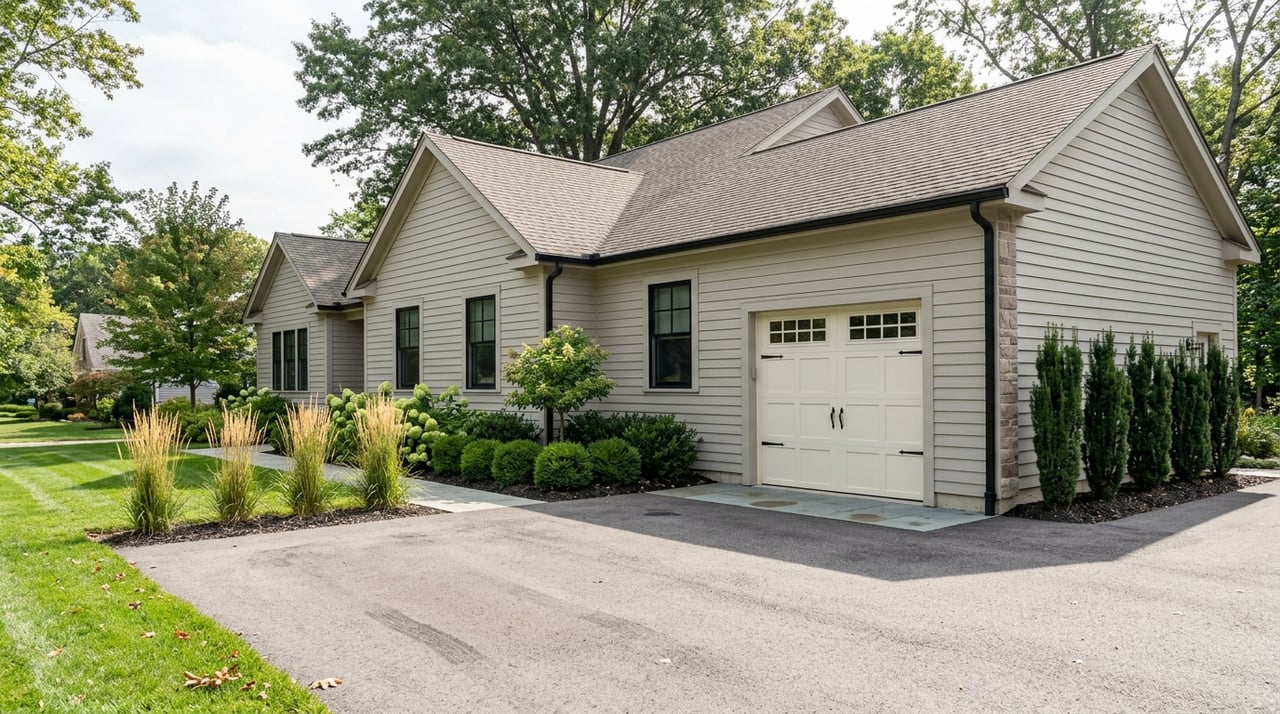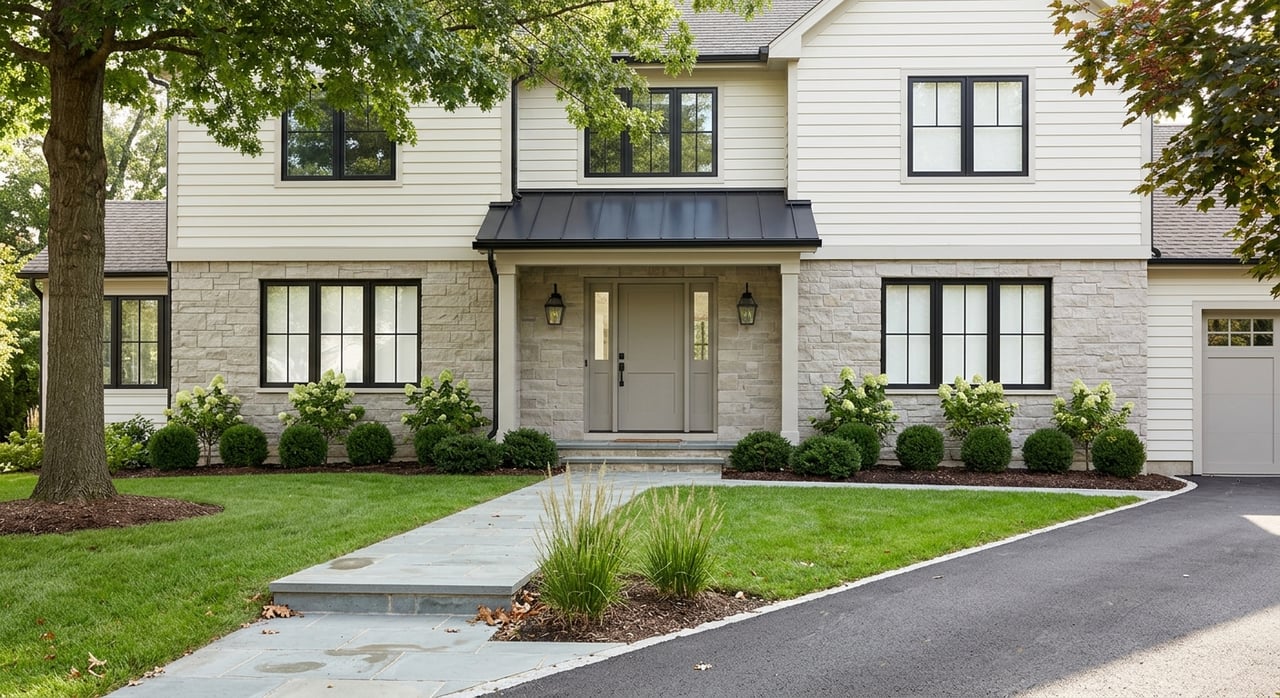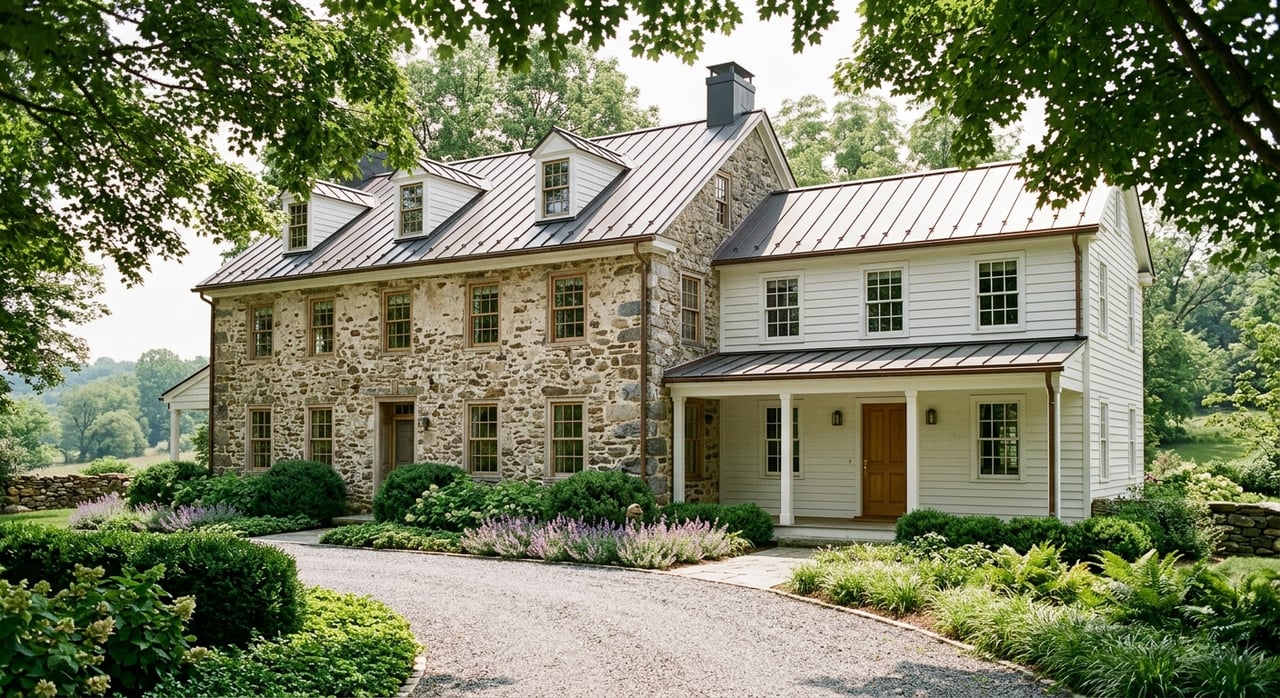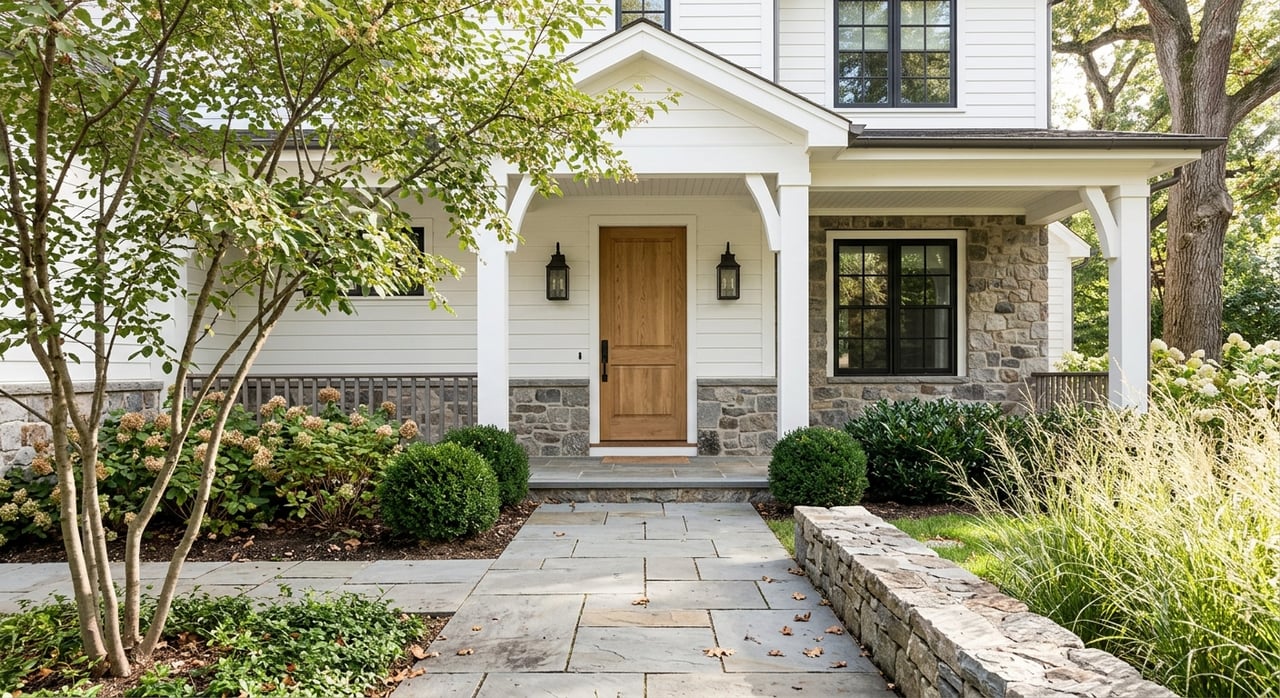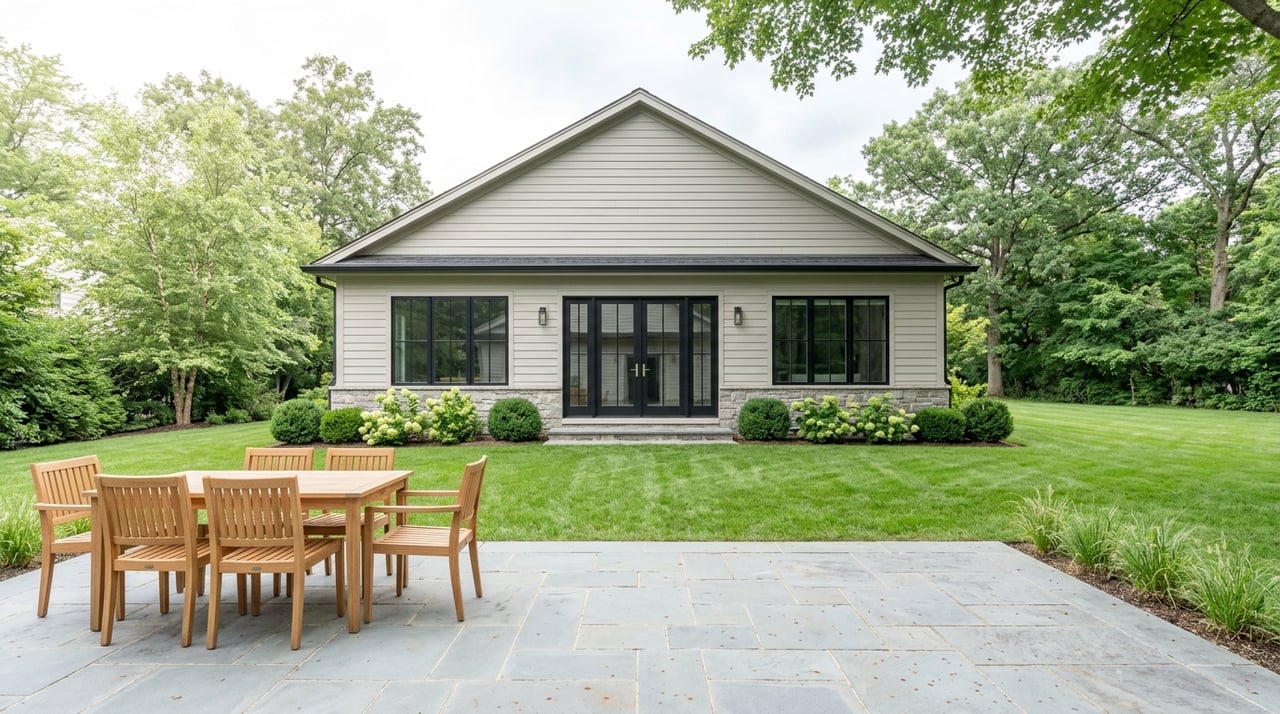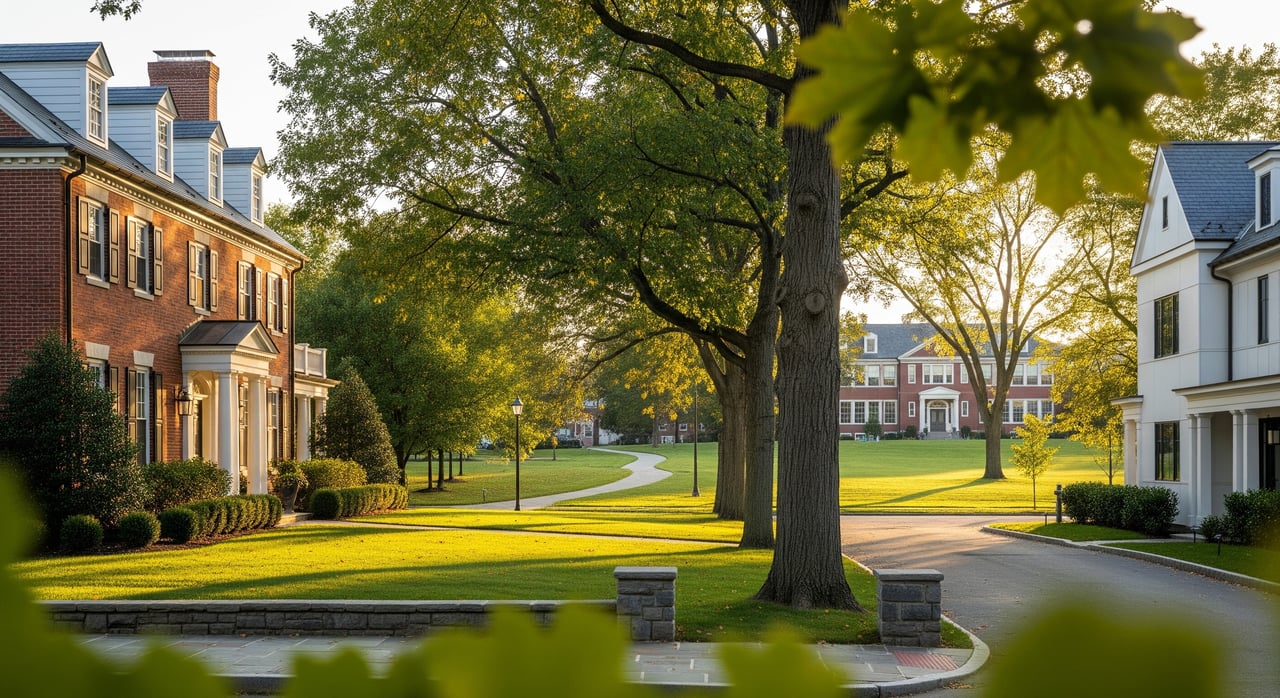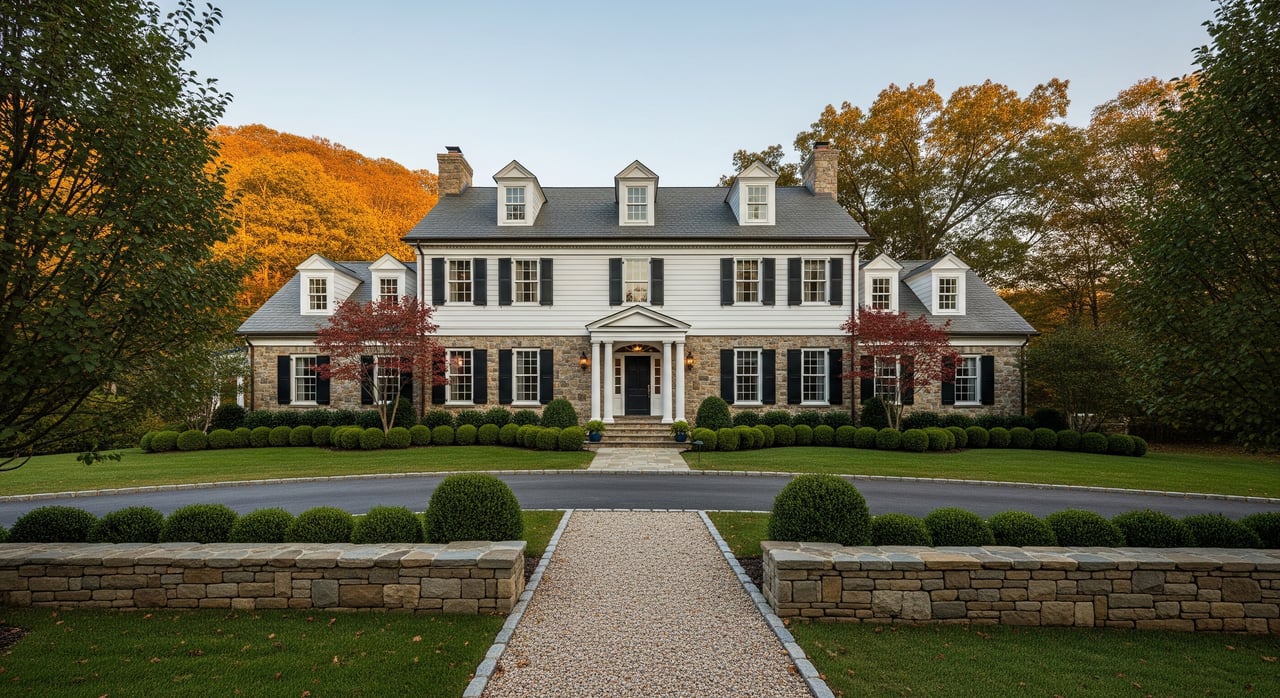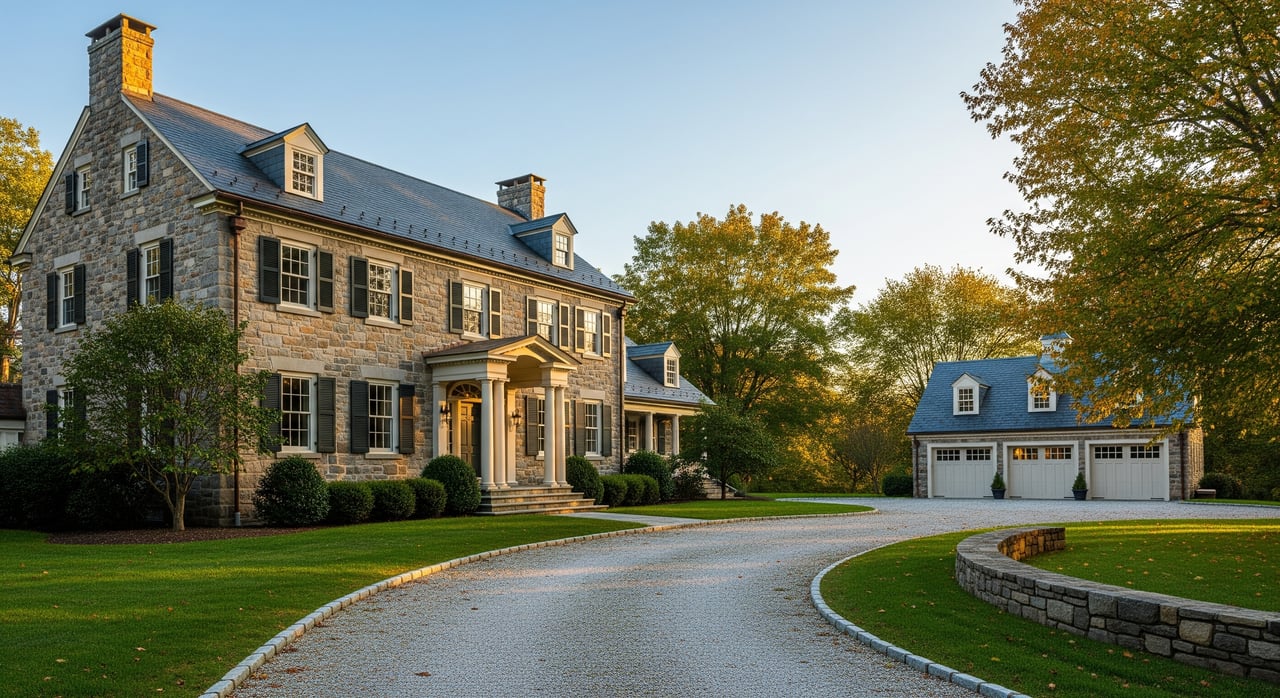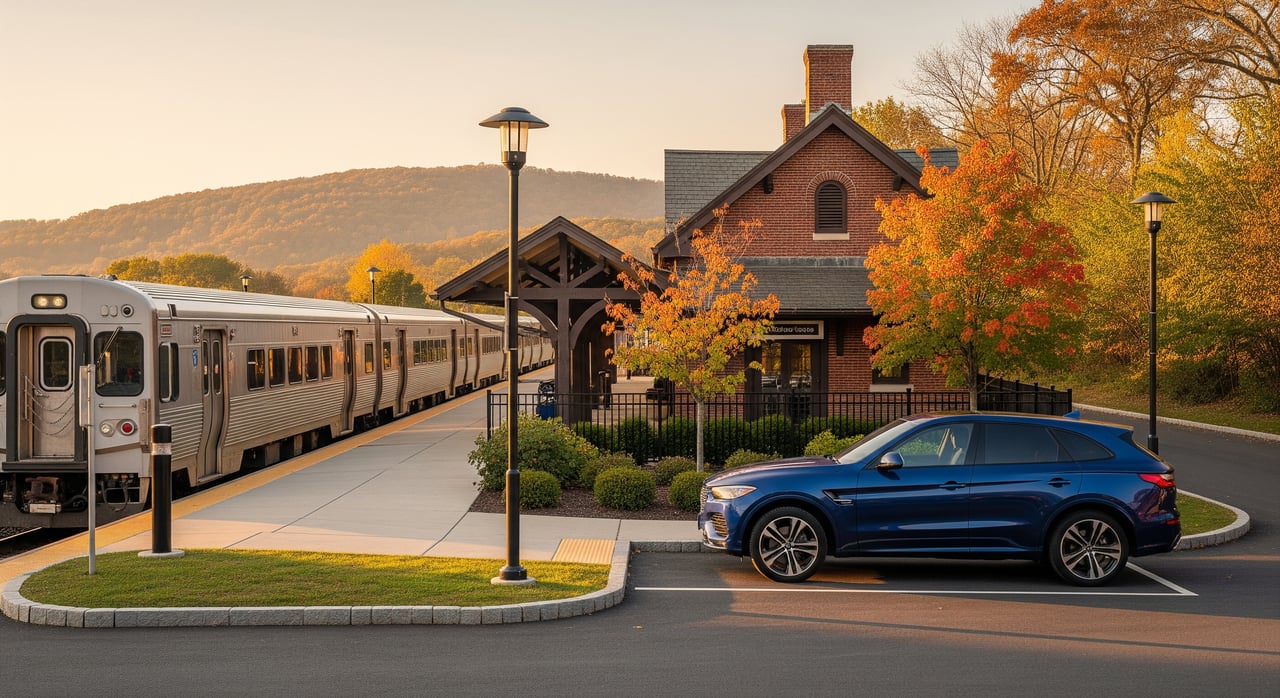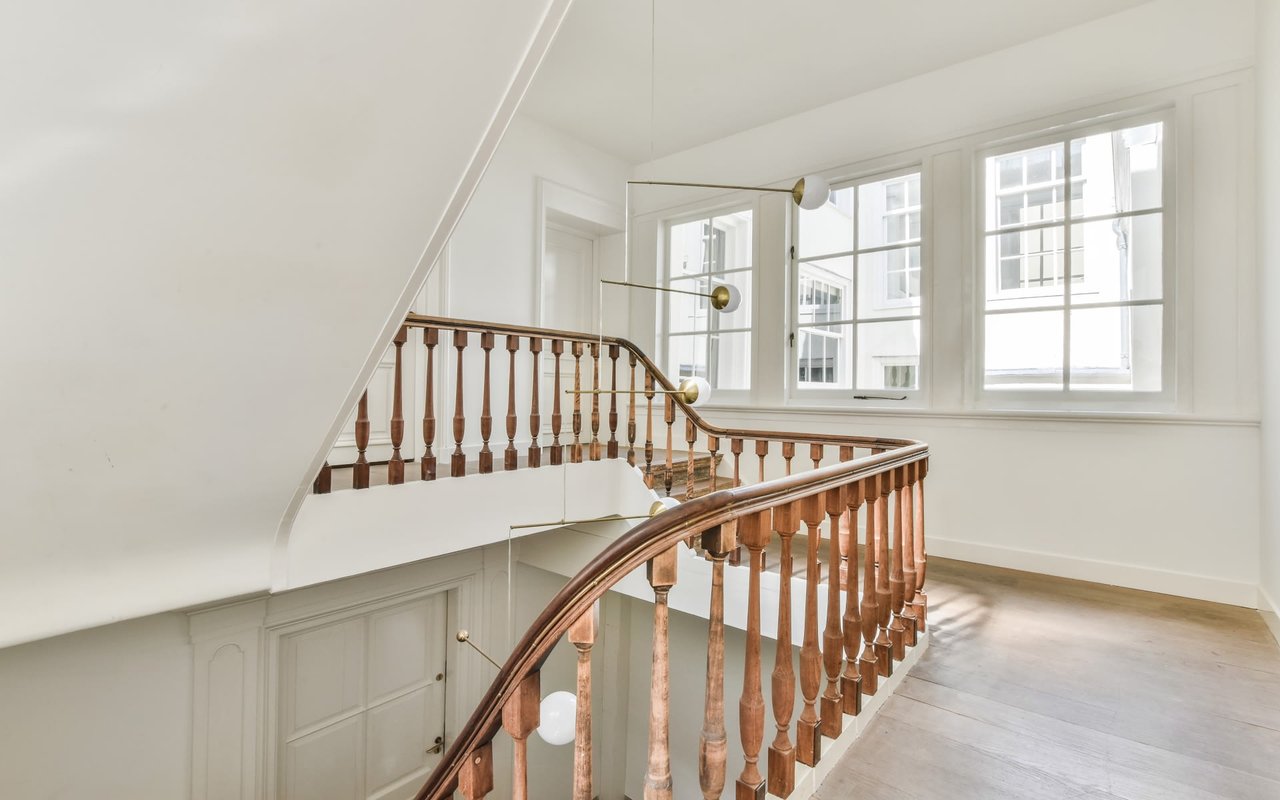
Thinking about buying an older home in Chester, NJ? The charm is easy to love, but older homes can come with a longer checklist than newer construction. If you know what to inspect before you buy, you can make a more confident decision, budget more accurately, and avoid surprises after closing. Let’s dive in.
Why older Chester homes need extra due diligence
Chester includes two distinct settings with older housing stock. Chester Borough describes itself as a 1.6-square-mile village with specialty shops, old homes, and historic buildings, while Chester Township is a larger residential community with farms, estates, and housing developments. That mix gives buyers plenty of character, but it also means inspection needs can vary from one property to the next.
If you are looking in Chester Borough, one detail matters right away. The Borough notes that if a property is in the Historic Zone or on the list of Historical Significance, some exterior work may require review by the Historic Preservation Committee. That is important if you are planning repairs, replacements, or cosmetic updates after you move in.
Start with the general home inspection
A general home inspection is your first step, but in an older home, it should go deeper into the home’s condition and maintenance history. You are not just checking whether systems work today. You are also looking for signs of wear, moisture, deferred maintenance, and future costs.
For older homes, NC State Extension recommends focusing first on drainage, the foundation, and the exterior shell. These areas often tell you how well the home has held up over time and whether water has been getting where it should not.
Check drainage and water control
Water is one of the biggest issues in any older home. During inspections, pay close attention to gutters, downspouts, grading, and any signs that water may be collecting near the house.
You should also look for basement dampness, water stains, mildew, or crawlspace moisture. Even when the issue seems minor, moisture problems can affect structural elements and indoor air quality over time.
Review the foundation and framing
Older homes can settle, but you want to know whether what you are seeing is normal aging or a larger concern. A careful inspection should include masonry foundation walls, cracks, crumbling mortar, support beams, and floor joists.
According to NC State Extension, inspectors should watch for bowing, warping, and signs that structural components have been stressed. Cracked plaster and uneven floors may also point to movement worth reviewing more closely.
Inspect the roof and exterior shell
The roof and exterior envelope protect everything inside the home. In an older Chester property, that means checking roof shingles, flashing, caulking, windows, trim, siding, and painted surfaces.
You also want to note moisture around windows and doors, along with any mildew, decay, or deteriorated finishes. Small failures in the exterior shell can lead to much bigger repair bills later.
Pay close attention to systems and safety
Older homes often have mechanical systems that still function but may be near the end of their useful life. This is where a detailed inspection can help you separate manageable upkeep from a major replacement timeline.
NC State Extension’s maintenance guidance highlights HVAC service, filter replacement, plumbing leaks, water heater condition, aging wiring, and smoke and carbon monoxide detectors as key areas to review. These are not just maintenance items. They also affect safety, comfort, and your short-term budget.
HVAC, plumbing, and water heater
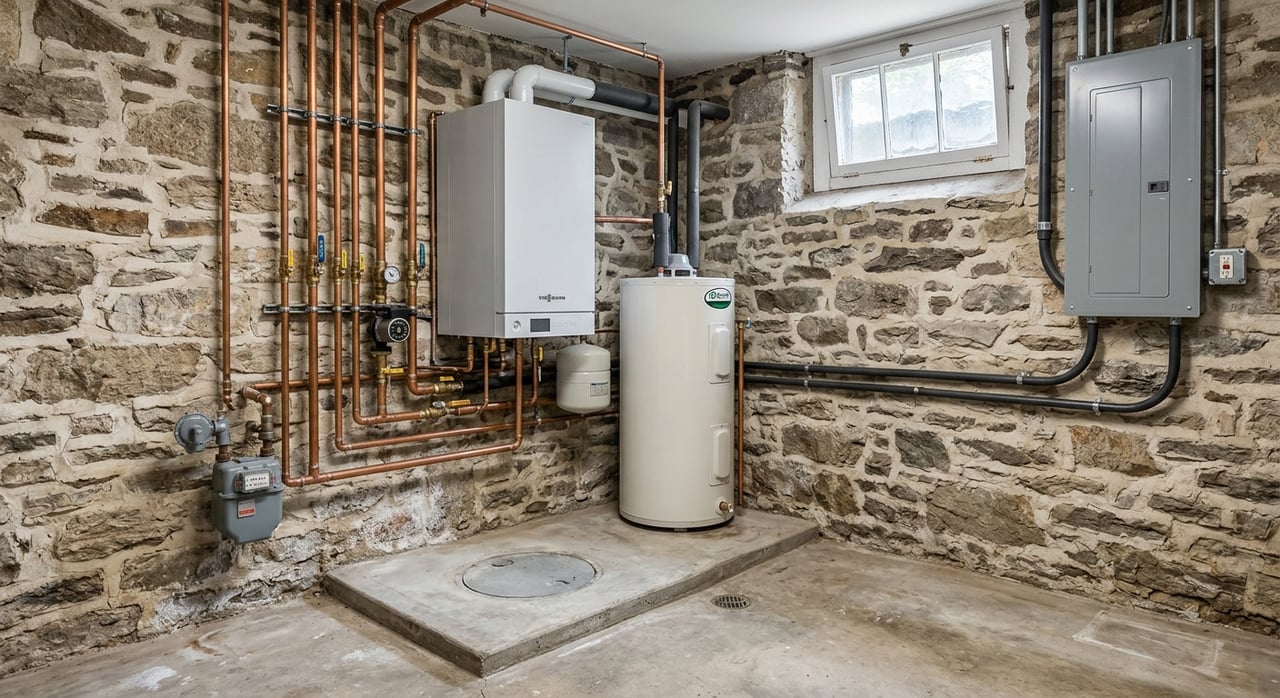
Ask whether the heating and cooling systems have been serviced regularly. You should also look for visible plumbing leaks and check the water heater for rust, corrosion, or leaking around the base.
In Chester Borough, furnace and boiler replacement, hot-water-heater work, and central air conditioning are among the projects that require permits. That makes it smart to ask for service records and documentation for any recent upgrades.
Electrical condition
Electrical systems deserve extra attention in older homes. An inspection should note exposed wiring, aging wiring, or signs that the system may need updating.
If the electrical service has been upgraded, ask whether permits were pulled. Chester Borough specifically lists electrical-service upgrades among projects that require permits, so paperwork matters here.
Specialized inspections that matter in Chester
A general home inspector is important, but for many older Chester homes, that is not enough. Depending on the property, you may need separate specialists for septic, well water, radon, lead, or asbestos.
This is especially true when you are buying a property with private utilities or planning renovations soon after purchase. A little more diligence up front can save you from major expense later.
Septic inspection
If the home uses a septic system, the EPA recommends a separate inspection by a septic-system service provider before you buy. That inspection should review maintenance and pumping records, system age, sludge and scum levels, signs of backup or leakage, tank and pipe integrity, the drainfield, and the distribution box.
This matters because septic maintenance costs are usually manageable, while repairs or replacement can be expensive. EPA notes that routine maintenance often costs about $250 to $500, but repair or replacement can cost thousands to tens of thousands of dollars.
If a home is on septic, ask these questions early:
- When was the last inspection?
- When was the last pumpout?
- Are maintenance records available?
- Are there any as-built drawings or system records?
Private well testing
If the home has a private well, testing is not optional during a sale in New Jersey. Under the New Jersey Private Well Testing Act, raw water must be tested when a property is transferred by contract of sale, and closing cannot happen until both buyer and seller have received and reviewed the results.
The NJDOH FAQ explains that the testing panel may include bacteria, VOCs, nitrate, lead, arsenic, PFAS, iron, manganese, and pH, with some items varying by county. Morris County also recommends considering the well’s location relative to septic systems and plumbing materials, and it advises annual testing for several basic parameters.
If a well test comes back with issues, NJDOH notes that there are no state regulations for water-treatment professionals. In practical terms, that means you should compare multiple quotes before deciding on a treatment solution.
Radon testing
New Jersey recommends radon testing as part of any real estate transaction. According to state guidance in the research provided, the test should be completed by a DEP-certified tester on the lowest livable level of the home.
The state recommends mitigation at 4 pCi/L or above, and the common mitigation approach typically costs about $1,200, though costs can vary. Radon is not something you can see or smell, so testing is the only way to know.
Lead-based paint
If the home was built before 1978, lead should be part of your due diligence. The EPA explains that older homes are more likely to contain lead-based paint, and sellers must provide known lead information before a buyer signs a contract under the federal lead disclosure rule.
Buyers also get a 10-day opportunity to inspect or assess lead hazards unless that right is waived. New Jersey further advises treating pre-1978 homes as if they contain lead-based paint and using lead-safe work practices or a certified renovator for renovation work.
Asbestos review
Asbestos can be harder to spot because you generally cannot identify it by sight alone. The EPA states that if a material is damaged or will be disturbed during remodeling, a trained and accredited asbestos professional should inspect and sample it.
If the material is in good condition and will not be disturbed, it is usually best left alone. For buyers planning immediate updates, this is an important point to address before work begins.
Historic review and permit questions
In Chester Borough, inspections are only part of the picture. You also want to understand whether future work will require permits or historic review.
The Borough states that projects such as roof and siding replacement, window or door enlargement, furnace or boiler replacement, hot-water-heater work, central air conditioning, and electrical-service upgrades may require permits. If the property is in the Historic Zone or on the list of Historical Significance, some exterior work may also need review by the Historic Preservation Committee.
That does not mean you should avoid the home. It simply means you should budget time and money for the approval process if you plan to make changes.
What to ask before you buy
When you are serious about an older home in Chester, these questions can help you get a clearer picture of the property:
- Is the property served by septic or sewer?
- If it is on septic, when was the last inspection and pumpout?
- Is the property served by a private well?
- Are the latest Private Well Testing Act results available?
- Was the home built before 1978?
- Have lead disclosures been provided?
- Are there records for past permits, repairs, or system replacements?
- Is the property in Chester Borough’s Historic Zone or on the list of Historical Significance?
- Will your planned work trigger asbestos sampling, radon testing, permits, or historic review?
These questions can help you move from a surface-level impression to a more complete understanding of the home.
Budget for ownership, not just closing
One of the biggest mistakes buyers make with older homes is focusing only on the purchase price. A better approach is to plan for ongoing maintenance from the start.
NC State Extension recommends setting aside about 1% to 3% of a home’s market value each year for maintenance and repairs. In a place like Chester, that reserve can be especially helpful because older homes may need more frequent attention, and some projects can involve permits or historic review.
Character and upkeep often go together. If you love the details, setting, and feel of an older Chester home, a strong inspection strategy helps you enjoy that character with fewer surprises.
Buying an older home in Chester can be a smart move when you understand what you are buying and what it may need next. If you want a steady, informed approach to evaluating homes in Morris County, The Tucker Team can help you navigate the process with clarity and confidence.
FAQs
What inspections should you get when buying an older home in Chester NJ?
- You should start with a general home inspection and then add specialists as needed, such as a septic-system service provider, private-well water testing through a certified lab, a DEP-certified radon tester, and lead or asbestos professionals when the home’s age, condition, or renovation plans call for it.
What should a general inspection focus on in an older Chester home?
- In an older Chester home, the general inspection should pay close attention to drainage, foundation walls, support beams, floor joists, basement or crawlspace moisture, roof condition, flashing, windows, trim, caulking, plumbing leaks, HVAC, water heater condition, electrical wiring, and safety detectors.
What should buyers know about septic systems in Chester-area homes?
- If a Chester-area home uses septic, EPA recommends a separate septic inspection before purchase, including records review, tank and pipe condition, drainfield evaluation, and signs of leakage or backup, because repairs can be far more expensive than routine maintenance.
What should buyers know about private well testing in Chester NJ?
- For a Chester, NJ home with a private well, the New Jersey Private Well Testing Act requires raw water testing during the sale process, and closing cannot occur until both buyer and seller have received and reviewed the test results.
What should buyers know about historic rules for older homes in Chester Borough?
- In Chester Borough, buyers should check whether a property is in the Historic Zone or on the list of Historical Significance, because some exterior work may require review by the Historic Preservation Committee in addition to any needed permits.
What should buyers know about lead, asbestos, and radon in older Chester homes?
- In older Chester homes, buyers should treat pre-1978 construction as a possible lead-paint property, consider asbestos review if materials are damaged or renovation will disturb them, and schedule radon testing on the lowest livable level with a DEP-certified tester as part of due diligence.